

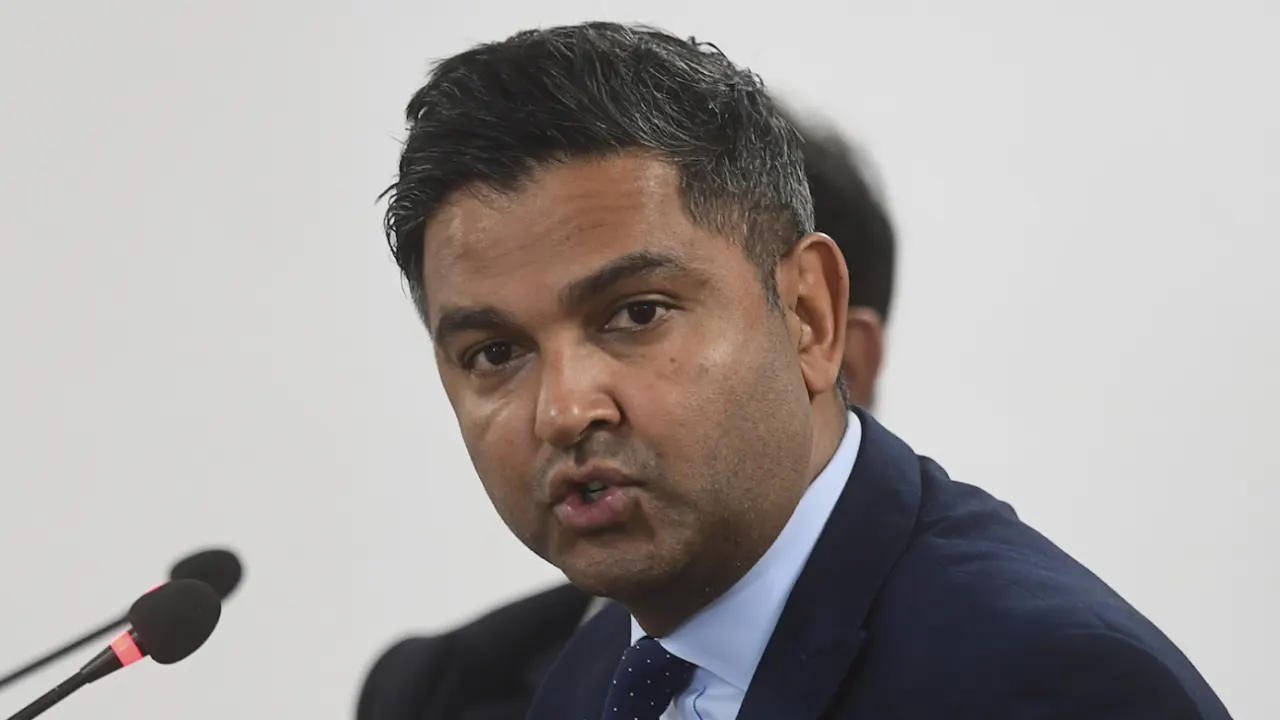
In a notable administrative shift in global cricket, Wasim Khan will step down from his role as General Manager (Cricket) at the International Cricket Council after completing four years in the position. His tenure, which began in May 2022, will officially conclude at the end of June 2026.
A Key Role in Global Cricket Governance
Wasim Khan took over the role from Geoff Allardice, who had moved up to become CEO of the ICC at the time. During his stint, Khan played a central role in shaping international cricket operations, overseeing scheduling frameworks, and contributing to strategic decisions affecting the global game.
His departure marks the end of a significant chapter for the ICC, particularly during a period when cricket governance has had to adapt to rapid structural and commercial changes.
From County Cricketer to Global Administrator
Before his administrative rise, Wasim Khan had a respectable playing career in English domestic cricket. A left-handed batter, he represented county sides such as Warwickshire County Cricket Club, Sussex County Cricket Club, and Derbyshire County Cricket Club.
Notably, he was part of Warwickshire’s County Championship-winning squad in 1995, where he delivered an outstanding season with an average close to 50. He also holds the distinction of being the first British-born Muslim cricketer to play county cricket, marking an important milestone in the sport’s diversity and inclusion journey.
A Strong Administrative Track Record
Following his playing days, Khan built a robust career in cricket administration. He served as CEO of Leicestershire County Cricket Club and previously led the Cricket Foundation, where he was instrumental in expanding the reach of the ‘Chance to Shine’ initiative—one of the UK’s most impactful grassroots cricket programs.
Prior to joining the ICC, Khan also served as CEO of the Pakistan Cricket Board, where he spent nearly three years working on structural reforms and governance improvements.
Navigating a Complex Cricket Landscape
Khan’s tenure at the ICC coincided with a transformative period in world cricket. One of the major challenges he faced was managing an increasingly congested global calendar. The rise of franchise leagues—including T20 and emerging T10 formats—has intensified competition for player availability and broadcast windows.
Despite these pressures, the ICC successfully finalized the Future Tours Programme 2023–27 during his tenure, which actually saw an increase in international fixtures. This was a significant achievement, balancing bilateral commitments with the growing influence of franchise cricket.
Another milestone during his time was the introduction of the first-ever structured women’s Future Tours Programme, a step widely regarded as crucial for the growth and standardization of the women’s game globally.
ICC Leadership Changes Continue
Wasim Khan’s exit is part of a broader trend of leadership changes within the ICC over the past two years. Former CEO Geoff Allardice has already been succeeded by Sanjog Gupta, signaling a shift in the organization’s top leadership.
Other key departures include Chris Tetley, who previously headed events, and Alex Marshall, who led the ICC’s Anti-Corruption Unit. They have since been replaced by Gaurav Saxena and Andrew Ephgrave respectively.
These transitions suggest an ongoing restructuring within the ICC as it adapts to evolving demands in global cricket governance.
ALSO READ-Chris Gayle Joins ETPL as Co-Owner and Ambassador
What Lies Ahead for Wasim Khan?
While details about his next role have not yet been officially disclosed, it is confirmed that Wasim Khan will take up a new position starting July 2026. Given his extensive experience across both playing and administrative domains, he is expected to remain a significant figure in cricket management.
Wasim Khan’s tenure at the ICC reflects a period of both challenge and progress. From managing a packed international schedule to contributing to the expansion of women’s cricket, his role has been integral to navigating modern cricket’s complexities.
His departure comes at a time when the sport continues to evolve rapidly, with increasing commercialization and globalization. As the ICC enters its next phase with new leadership, the groundwork laid during Khan’s tenure will likely continue to influence decisions shaping the future of international cricket.