

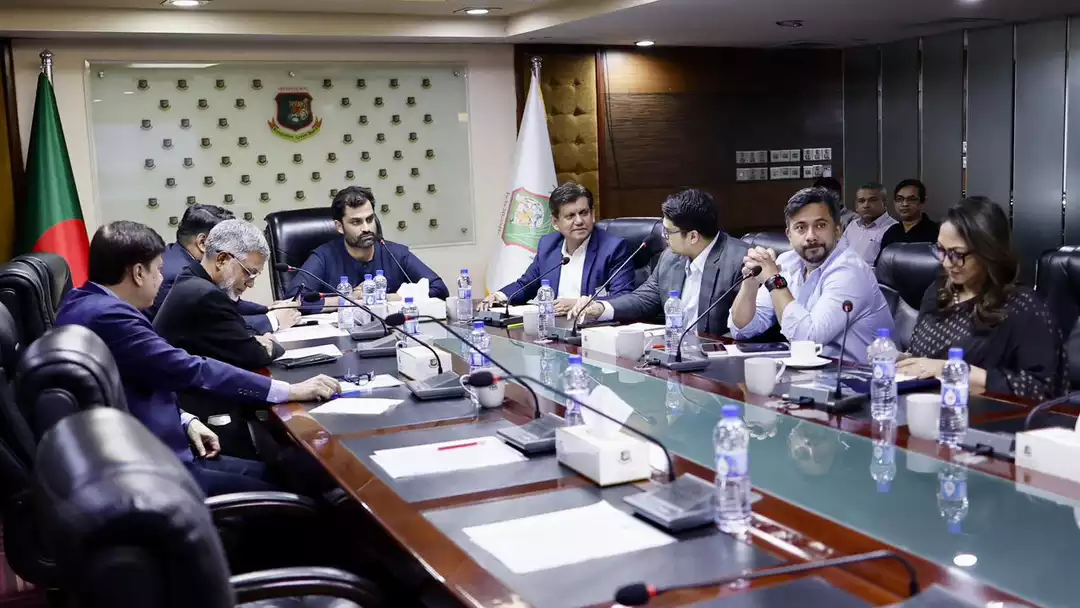
The next chapter in Bangladesh cricket administration is officially set to begin as the Bangladesh Cricket Board (BCB) confirmed that its much-anticipated board elections will be held on June 7. The announcement, made by the Election Commission on Saturday, marks a crucial moment for the future direction of cricket governance in the country following a period of administrative turbulence and leadership changes.
The development comes at a time when Bangladesh cricket is undergoing significant restructuring, both on and off the field. With former national captain Tamim Iqbal currently serving as the interim head of the board, the upcoming elections are expected to play a defining role in shaping the future of the BCB and its long-term vision.
Election Process Officially Underway
The Election Commission formally announced the schedule after the deadline for councillor nominations ended at 5 PM on May 16. The notification was signed by Chief Election Commissioner Ahsanul Karim, who is overseeing the entire electoral process.
The BCB had already initiated preparations earlier this month when it approved the formation of a three-member Election Commission to conduct the elections in accordance with the board’s constitution and governance regulations.
The electoral process will now move through multiple stages, including the publication of voter lists, objections, nomination filings, and postal ballots before the final voting day on June 7 at the Sher-e-Bangla National Cricket Stadium in Mirpur.
Why These Elections Matter
The elections carry added significance because they come after the dissolution of the previous Aminul Islam-led administration by the National Sports Council (NSC). The former board was removed following allegations related to misuse of power and governance concerns.
In the aftermath of that decision, the NSC appointed an interim administration led by Tamim Iqbal with the responsibility of ensuring stability and conducting fresh elections within a 30-day period.
For Bangladesh cricket, this election is not merely a procedural exercise. It represents an opportunity to restore institutional credibility, improve governance standards, and strengthen confidence among players, officials, sponsors, and supporters.
Tamim Iqbal’s Growing Influence
Since assuming interim leadership responsibilities, Tamim Iqbal has emerged as a central figure in discussions surrounding the future of Bangladesh cricket administration. The former opener has already introduced several initiatives aimed at improving player welfare and preserving the legacy of former cricketers.
One of the most talked-about projects under his leadership has been the development of a dedicated lounge facility for former Bangladesh internationals at the Sher-e-Bangla Stadium. Tamim has repeatedly emphasized the importance of respecting players who contributed to Bangladesh cricket regardless of statistical records.
His administration has also focused on strengthening the role of the Cricketers’ Welfare Association of Bangladesh (CWAB), while simultaneously exploring new methods to honor former national players.
According to reports, Tamim is strongly interested in becoming the full-time president of the board following the elections, making the June 7 vote even more consequential.
ALSO READ-TKR Retain Pooran, Narine and Pollard
Structure of the BCB Board
The BCB board structure remains one of the most complex among cricket boards in the region. The upcoming election will determine 25 directors through a multi-category voting system.
The structure includes:
- 12 directors elected by Dhaka club councillors (Category 2)
- 10 directors elected by regional and district councillors (Category 1)
- One director representing organizations such as universities and former cricketers (Category 3)
- Two directors nominated directly by the National Sports Council
These 25 directors will subsequently elect the next BCB president.
This layered electoral model is designed to ensure representation from clubs, districts, institutions, and stakeholders across Bangladesh cricket. However, critics have often argued that the system can become vulnerable to political influence and factional power struggles.
Postal Ballot System Introduced
One notable feature of this election process is the continued use of a postal ballot system. Councillors unable to vote physically in Mirpur will have the option to cast votes electronically or via post.
Applications for postal ballots must be submitted through registered email addresses by May 25. Ballots will then be distributed between June 1 and June 6 before final submission on election day.
The move is seen as part of an effort to improve accessibility and participation in the election process, particularly for councillors located outside Dhaka.
Focus on Transparency and Governance
The formation of the Election Commission itself reflects the BCB’s attempt to ensure credibility during the process. Chief Election Commissioner Ahsanul Karim, a senior advocate at the Bangladesh Supreme Court, will be joined by senior police and government officials in overseeing proceedings of the BCB elections..
The Election Commission includes:
- Ahsanul Karim
- Md. Israil Hawlader
- A.B.M. Ehsanul Mamun
The inclusion of legal and administrative professionals indicates a broader emphasis on procedural transparency following recent controversies within Bangladesh cricket governance.
Challenges Await the New Leadership
Regardless of who eventually assumes power, the next BCB administration will face multiple challenges. Bangladesh cricket is currently navigating several critical issues, including:
- Strengthening domestic cricket structures
- Improving player development pathways
- Enhancing financial governance
- Addressing infrastructure concerns
- Maintaining stability in national team performance
- Expanding women’s cricket programs
There is also growing pressure to modernize administrative systems and improve accountability within the organization.
A Defining Moment for Bangladesh Cricket
The June 7 election could prove to be one of the most important moments in recent Bangladesh cricket history. Administrative stability often directly influences on-field progress, and stakeholders across the country will be watching closely to see how the transition unfolds.
For fans, players, and officials alike, the hope is that the new leadership will prioritize professionalism, transparency, and long-term development over political maneuvering.
With Tamim Iqbal emerging as a strong candidate for permanent leadership and reforms already beginning under the interim setup, Bangladesh cricket now stands at a potentially transformative crossroads.
The coming weeks may ultimately determine not just who governs the BCB, but how Bangladesh cricket evolves in the years ahead.