

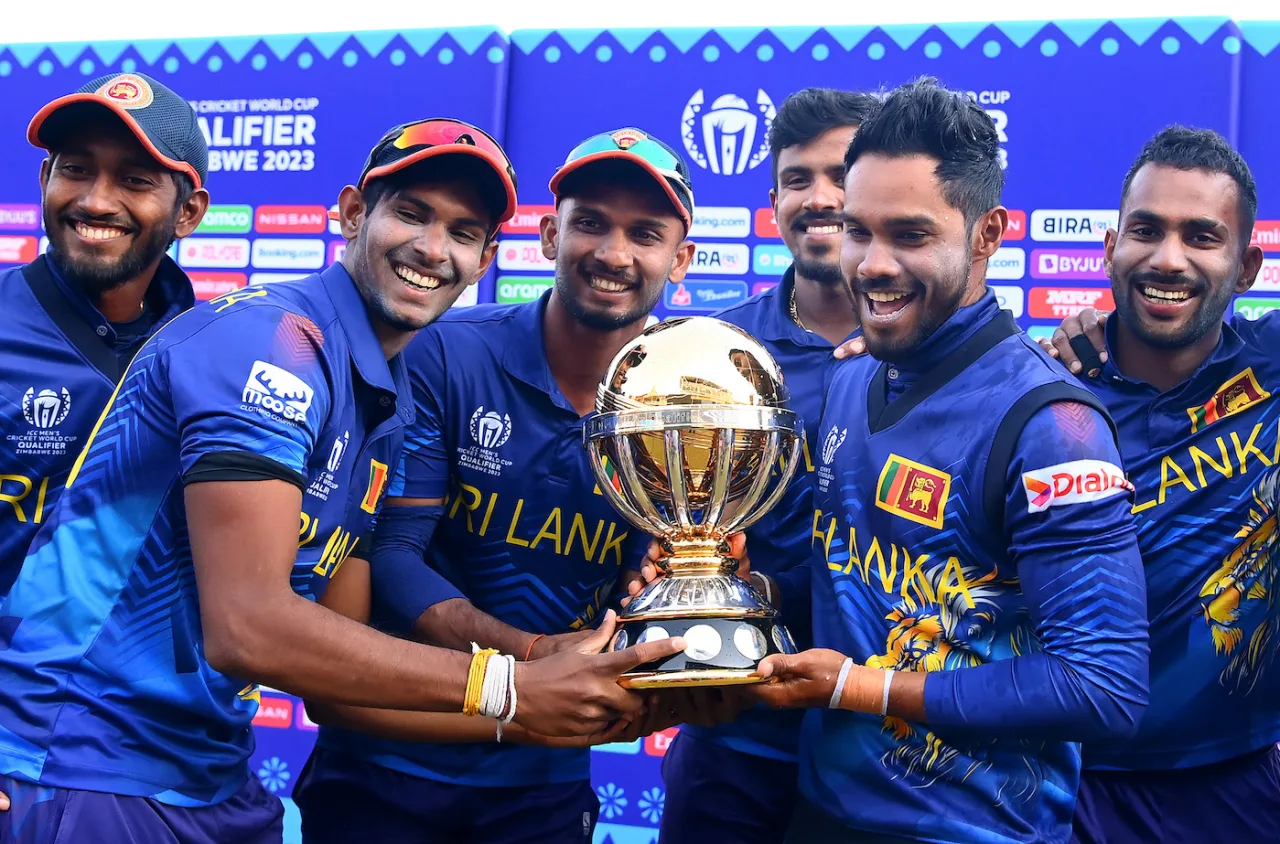
The race to qualify for the 2027 ICC Men’s ODI World Cup has become even more significant after the International Cricket Council (ICC) introduced a revamped tournament format earlier this week. Under the new structure, the winner of the 2027 ODI World Cup Qualifier will receive a major advantage by earning direct entry into the main stage of the World Cup, while the remaining qualifying teams will have to survive an additional elimination round.
The new qualification pathway adds greater importance to the 10-team qualifying tournament, where every match could determine whether a team enjoys a smoother route into the World Cup or faces an early exit.
Qualifier Winner Gets Huge Reward
Unlike previous editions, the team that wins the 2027 ODI World Cup Qualifier will bypass the newly introduced Super Series and advance directly to the World Cup’s main group stage.
This means the Qualifier champion will become the 11th team to secure a direct place in the main competition alongside the automatic qualifiers.
Teams finishing second, third and fourth in the Qualifier will still qualify for the World Cup, but they will first have to compete in the Super Series, an opening round that serves as an early elimination stage.
The change significantly increases the value of finishing first in the Qualifier.
How the Super Series Works
The Super Series is one of the biggest additions to the 2027 ODI World Cup format.
The three teams finishing second, third and fourth in the Qualifier will compete in a mini round-robin competition before the main tournament begins.
Each team will play two matches.
Only the team finishing at the top of the Super Series standings will progress to the World Cup’s main group stage.
The remaining two teams will be eliminated after just two matches.
As a result, two of the four teams qualifying through the World Cup Qualifier will have only a brief appearance at the tournament before being knocked out.
ICC Yet to Finalise Qualifier Details
While the ICC has confirmed the revised World Cup structure, it has not yet announced the official schedule, venue or playing format for the 2027 ODI World Cup Qualifier.
However, the tournament is expected to take place during the early months of 2027.
The host nation has also not been confirmed, although preparations are already underway for the qualification cycle.
Despite the uncertainty surrounding the venue, the competition format is expected to remain unchanged from the 2023 World Cup Qualifier.
ALSO READ-BCCI Denies Reports of Rohit Sharma’s ODI Retirement
Likely Qualifier Format
The tournament is expected to feature 10 teams divided into two groups of five.
Each team will play every other side in its group once.
The top teams will then progress to the Super Six stage, where results against fellow qualifiers are carried forward before the remaining matches determine the final standings.
The team finishing first will earn direct entry into the World Cup’s main stage, while the next three teams will qualify for the Super Series.
Major Changes to the World Cup
The ICC’s revised tournament structure represents a significant departure from the original format approved in 2021.
Initially, the 2027 ODI World Cup was planned to feature 14 teams divided into two groups of seven.
Those teams would then advance to a Super Six stage before the semi-finals and final.
Instead, the governing body has reduced the main group stage to 12 teams divided into two groups of six.
The tournament will then move into a newly created Super Seven stage before the knockout rounds.
The changes have generated considerable debate among players, administrators and Associate nations.
Direct Qualification Explained
Ten teams will qualify automatically for the 2027 World Cup.
These include co-hosts South Africa and Zimbabwe, along with the top eight teams in the ICC ODI rankings at the end of September 2026.
Namibia, despite being one of the three tournament hosts, does not receive automatic qualification under the current system.
The winner of the World Cup Qualifier becomes the 11th direct entrant into the main group stage.
The final three qualifying teams must battle through the Super Series for the remaining place.
Understanding the Super Seven
After the Super Series concludes, 12 teams will compete in the main World Cup.
They will be divided into two groups of six teams.
The top three teams from each group, along with the best fourth-placed team across both groups, will advance to the Super Seven stage.
The seven qualifying teams will then play each other in a round-robin league consisting of 21 matches.
The top four teams in the Super Seven standings will qualify for the semi-finals.
The semi-final matchups will see the first-placed team face the fourth-ranked side, while second place will play third before the winners contest the final.
Who Will Play the Qualifier?
The 10-team Qualifier will feature a mix of Full Members and Associate nations.
The competition will include:
- The two lowest-ranked Full Member teams in the ICC ODI rankings (excluding hosts South Africa and Zimbabwe).
- The top four teams from the ICC Cricket World Cup League 2.
- Four teams progressing through the World Cup Qualifier Playoff.
This ensures that both established cricket nations and emerging Associate teams have an opportunity to compete for World Cup qualification.
Path Through the Qualifier Playoff
The World Cup Qualifier Playoff will involve eight teams.
Four of those teams will come from the bottom half of Cricket World Cup League 2.
The remaining four teams will qualify through the ICC Challenge League, which serves as the third division of international 50-over cricket.
The Challenge League features 12 teams divided into two groups of six.
Each group competes across three round-robin tournaments during the qualification cycle.
The top two teams from each Challenge League group will advance to the Qualifier Playoff.
From there, the best four teams will secure places in the 10-team World Cup Qualifier.
Greater Pressure Than Ever
The revised qualification pathway dramatically increases the pressure on teams competing in the Qualifier.
Finishing first no longer simply guarantees World Cup qualification—it now provides direct access to the main tournament and avoids the risk of an early elimination in the Super Series.
For teams finishing second, third or fourth, the reward is far less certain.
Although they technically qualify for the World Cup, they still face another do-or-die stage where only one team survives.
The ICC is expected to announce the official dates, venue and final playing conditions for the World Cup Qualifier in the coming months.
With the qualification pathway now carrying greater consequences than ever before, the tournament is likely to become one of the most competitive events in international cricket.
For Full Members fighting to protect their status and ambitious Associate nations chasing a historic World Cup appearance, the road to the 2027 ODI World Cup has become significantly tougher.
The new format ensures that every match in the Qualifier could have a direct impact on a team’s World Cup journey, making the competition one of the most important events leading up to cricket’s biggest 50-over tournament.