

A Flashpoint Moment in the IPL
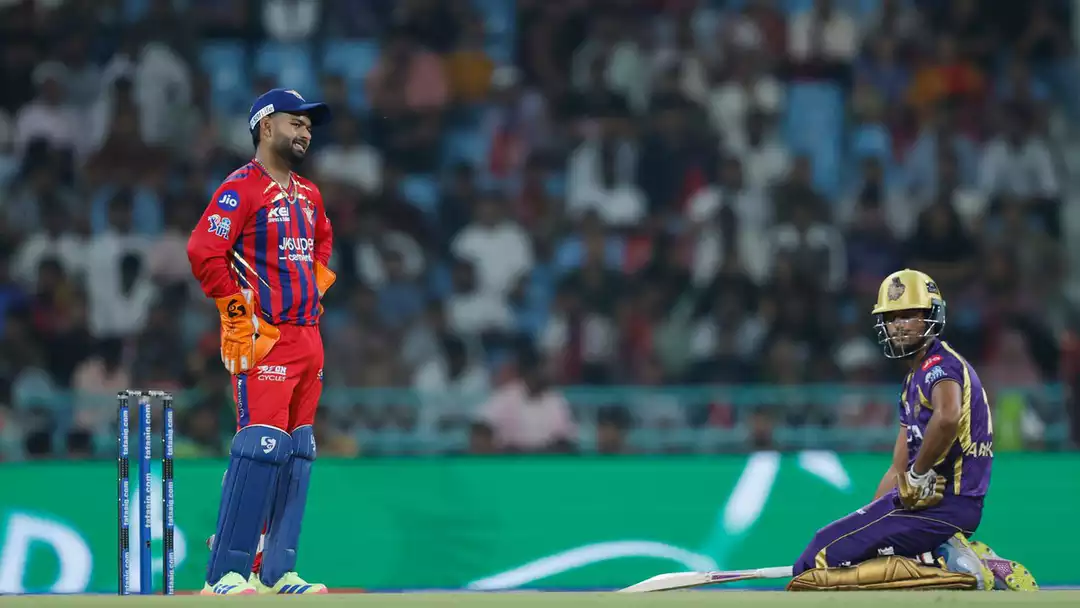
The recent episode involving Angkrish Raghuvanshi has once again brought attention to player conduct in high-pressure cricket. Playing for Kolkata Knight Riders in the Indian Premier League (IPL), the young batter became the center of controversy following his dismissal. However, it wasn’t just the decision that drew attention—it was his reaction afterward. His frustration, expressed through striking the boundary cushions and throwing his helmet, led to a 20 percent match fee fine along with a demerit point under the league’s Code of Conduct.
The Fine Line Between Emotion and Misconduct
Cricket has always balanced passion with discipline. While emotional reactions are natural in competitive sport, there is a clear boundary that players are expected to respect. Raghuvanshi’s response crossed into what the IPL categorizes as a Level 1 offence, typically involving visible dissent. This raises a broader question: how much emotion is acceptable before it becomes misconduct? In a format like T20, where every ball can change the outcome, maintaining that balance is increasingly challenging.
Debate Around Umpiring and Decision-Making
The dismissal itself sparked debate among fans and analysts, highlighting ongoing concerns about consistency in umpiring decisions. Even with advanced tools like the Decision Review System (DRS), disputes remain part of the game. Modern cricket operates under intense scrutiny, where every decision is analyzed in real time by millions. This environment can heighten a player’s sense of frustration, particularly when they believe a decision has gone against them unfairly.
The Role of IPL’s Code of Conduct
The IPL’s disciplinary framework is designed to uphold the spirit of the game. It is not merely punitive but also corrective in nature. By imposing fines and demerit points, the league sends a clear message about expected standards of behavior. While Raghuvanshi’s penalty may seem moderate, repeated offences can lead to more serious consequences, including suspension. This structured approach ensures that discipline remains a cornerstone of professional cricket.
Pressure on Young Players
From a psychological perspective, Raghuvanshi’s reaction is not entirely surprising. Young cricketers often face immense pressure to perform and secure their place in the team. The IPL, with its global audience and competitive intensity, amplifies these expectations. For emerging players, every innings is an opportunity—and every setback can feel magnified. This makes emotional control a critical skill alongside batting or bowling technique.
Learning from Senior Players and Leadership
One of the most effective ways young players develop professionalism is through team culture. Senior players, captains, and coaching staff play a key role in guiding younger teammates. They help create an environment where emotions are acknowledged but managed constructively. Leadership within teams ensures that such incidents become learning experiences rather than recurring patterns.
ALSO READ-Delhi Capitals Seek Reset as Starc Returns
Technology: A Double-Edged Sword
While technology like DRS has improved the accuracy of decisions, it has also intensified scrutiny. Slow-motion replays and multiple camera angles often fuel debates rather than resolve them completely. Players are more aware than ever of how closely their actions are being watched, which can sometimes increase emotional responses in contentious situations.
Fan Reactions and Public Perception
Fans often have mixed reactions to such incidents. Some empathize with the player’s frustration, recognizing the emotional investment involved in professional sport. Others stress the importance of discipline and role-model behavior, especially in a league as influential as the IPL. With millions of young viewers watching, players carry the responsibility of representing the values of the game.
A Learning Curve for Raghuvanshi
For Raghuvanshi, this incident could serve as a valuable turning point. Early-career experiences like these often shape a player’s long-term approach to the game. Developing emotional resilience and composure under pressure will be crucial for his growth as a professional cricketer.
Balancing Passion with Professionalism
Ultimately, the incident highlights a recurring theme in modern cricket—the need to balance passion with professionalism. While the debate over the dismissal may continue, the disciplinary action reinforces a clear standard: emotional outbursts have consequences. For the IPL and cricket as a whole, maintaining this balance is essential to preserving both the competitive spirit and the integrity of the game.