

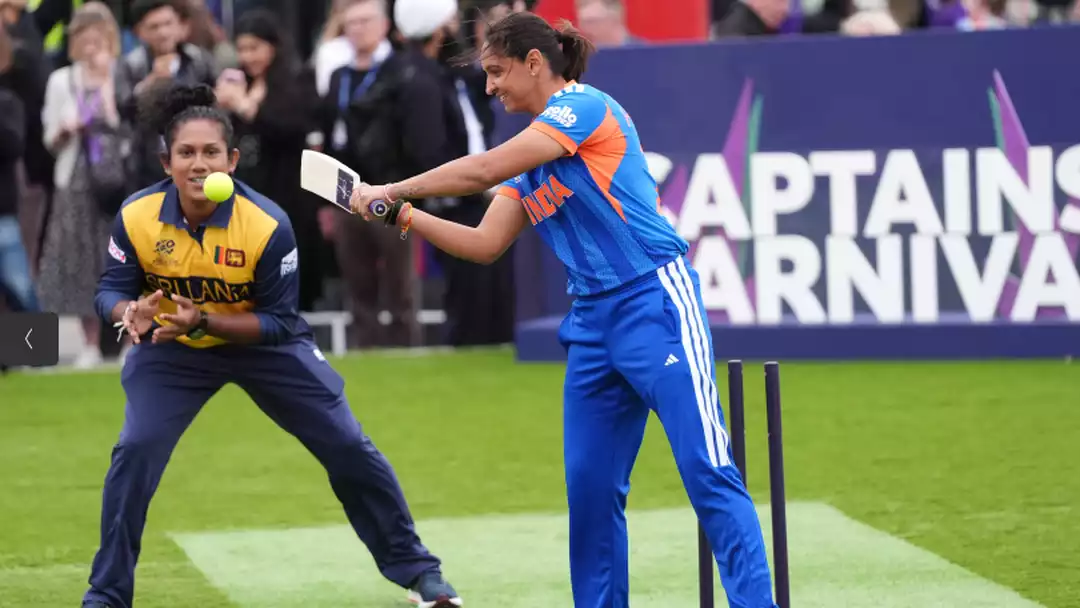
The International Cricket Council (ICC) has officially confirmed India as the host nation for the inaugural edition of the Women’s Champions Trophy. Scheduled to take place across a two-week window from February 14 to 28, 2027, the prestigious tournament was originally slated to be staged in Sri Lanka. However, mounting governance disputes and regulatory conflicts concerning state interference in Sri Lankan cricket administration prompted the global body to transfer the hosting rights to India following a rigorous evaluation process.
The announcement marks another critical milestone in the expansion of women’s sports worldwide. By staging the premier competition across historic and modern venues in Western India, the ICC aims to capitalize on the soaring popularity and commercial growth of women’s cricket in the subcontinent.
Tournament Dates, Venues, and Format Breakdown
The landmark six-team tournament will be contested in the fast-paced Twenty20 International (T20I) format, featuring a total of 16 high-stakes fixtures. Two cricket centers have been designated to host the entirety of the competition:
-
Brabourne Stadium (Cricket Club of India), Mumbai: One of world cricket’s most storied grounds, boasting modern broadcast capabilities, deep historical heritage, and extensive experience hosting elite women’s international matches and Women’s Premier League (WPL) fixtures.
-
Vadodara International Cricket Stadium, Vadodara: A premier sporting facility in Gujarat, offering world-class infrastructure, high-capacity seating, and top-tier playing surfaces tailored for competitive white-ball contests.
Competition Structure
The tournament departs from multi-group formats in favor of an uncompromising single-pool round-robin league stage:
| Stage | Mechanics | Details |
| League Phase | Round-Robin | Each side plays the other five participants once (15 total league games). |
| Knockout Phase | Direct Final | No semi-finals; only the top two teams in the standings advance directly to the championship showdown on February 28, 2027. |
This structure ensures every single round-robin game carries critical knockout-level significance, eliminating dead rubbers and heavily rewarding net run rate and consistency.
Participating Teams and Qualification Pathway
Six nations have qualified to compete for the inaugural silverware based on their official positions in the ICC Women’s T20I Team Rankings as of the qualification cut-off date:
-
India (Host nation)
-
Australia
-
England
-
South Africa
-
New Zealand
-
Sri Lanka
Despite forfeiting their hosting status, Sri Lanka retains its competitive berth in the competition as a qualified participant. Conspicuously absent from the roster is Pakistan, who fell outside the requisite ranking threshold by the cut-off date, underscoring the fierce international competition for limited spots in the tournament.
Also Read-Auqib Nabi Signs County Championship Deal with Surrey
Why the Tournament Was Relocated from Sri Lanka
The decision to strip Sri Lanka of hosting rights stems from the ICC’s uncompromising stance regarding autonomy and anti-government interference in national sports federations.
Sri Lanka Cricket (SLC) has been operating under the direction of a government-appointed Transformation Committee tasked with enforcing structural and constitutional reforms. Under ICC regulations, politically installed interim bodies are explicitly prohibited from managing the administrative, executive, and operational affairs of member boards without democratically elected leadership.
Because Sri Lanka failed to complete its governance overhauls and restore constitutional elections in time, the ICC intervened to protect the tournament’s operational certainty.
This marks the second major international event moved away from Sri Lanka in recent years due to governance friction, echoing the relocation of the 2024 ICC Men’s Under-19 World Cup to South Africa. While the ICC acknowledged that SLC continues to take corrective steps outlined during previous ICC conferences, the governing body chose to reassign the event well in advance to prevent operational disruptions.
Bidding Process and Board Ratification
Upon confirming the necessity to relocate the competition, the ICC initiated an evaluation procedure to vet prospective alternative venues. Three Full Member nations submitted formal bids:
-
India
-
South Africa
-
Bangladesh
Following technical assessments focusing on logistical readiness, broadcast infrastructure, venue quality, spectator capacities, and commercial value, the ICC recommended India as the preferred host. The decision was officially ratified by the ICC Board.
Leadership Vision: An Annual Marquee Rhythm
The launch of the Women’s Champions Trophy serves as a foundational pillar in the ICC’s strategic blueprint to guarantee a premier global women’s tournament every single calendar year.
ICC Chairman Jay Shah emphasized the transformative impact of this sustained event cycle:
“The ICC Women’s Champions Trophy 2027 marks an exciting new chapter for women’s cricket. As the inaugural edition of the tournament, it will bring together the best teams in the world in an intense, high-quality competition, while creating even greater incentive for teams to continue rising through the rankings and competing for a place on the global stage.With a marquee ICC women’s event now taking place every year, we have a significant opportunity to build greater momentum, provide more consistency and create a stronger rhythm for the women’s game, its players and its fans around the world.”
India Consolidates Its Position as Global Cricket’s Centerpiece
Hosting the Women’s Champions Trophy in February 2027 further cements India’s role as the central hub of major international cricket tournaments. The tournament represents the latest in a relentless sequence of elite ICC competitions staged across the country, building on the commercial momentum of the women’s game initiated by domestic leagues and global championships.
With Mumbai and Vadodara ready to welcome the world’s finest cricketers, the 2027 tournament promises two weeks of relentless, high-pressure white-ball drama, establishing a new gold standard for the women’s international game.