

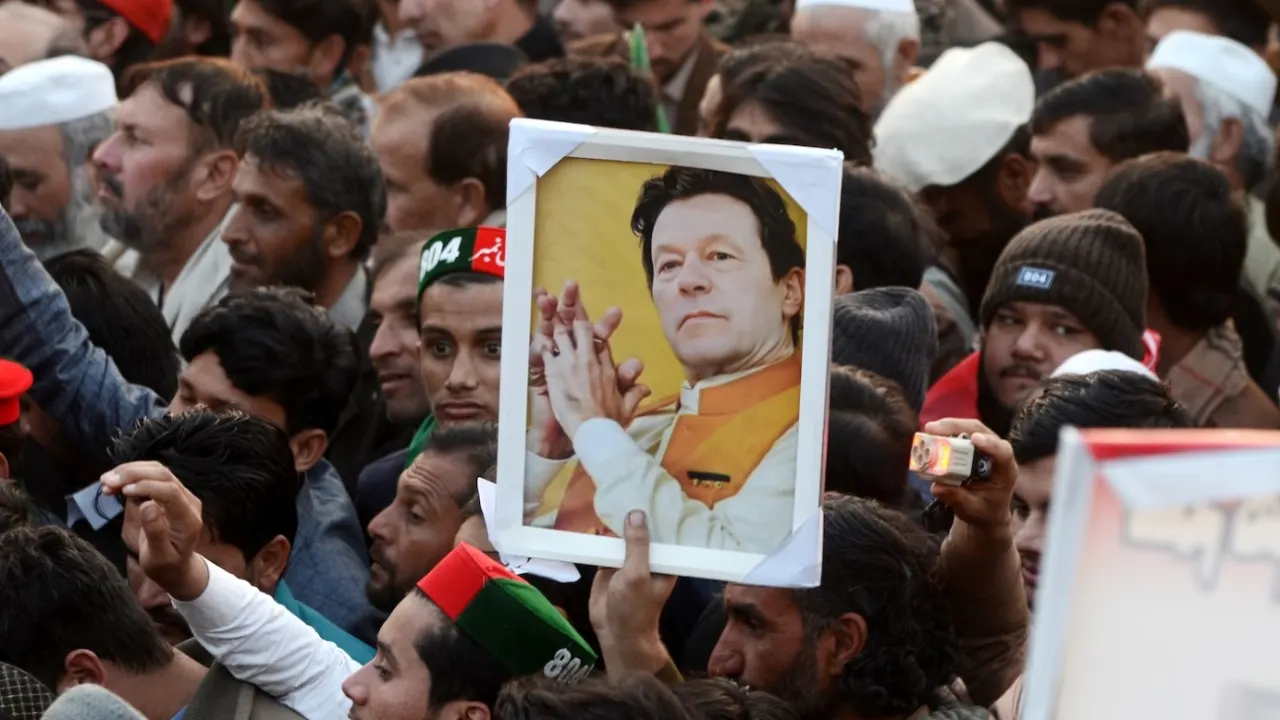
Seven former Australia cricket captains have written to Australian Foreign Minister Penny Wong, urging the government to raise concerns with Pakistani authorities over the welfare and treatment of former Pakistan Prime Minister and 1992 World Cup-winning captain Imran Khan.
The letter has been signed by Allan Border, Greg Chappell, Ian Chappell, Belinda Clark, Kim Hughes, Mark Taylor and Steve Waugh. The former captains stressed that their intervention was not politically motivated. Instead, they said they were speaking as former cricket leaders concerned about the condition of a fellow cricketer.
Their appeal focuses on reports of limited medical care, restricted contact with family members and inadequate access to legal counsel. The group made it clear that it was not commenting on the legal or political proceedings involving Khan.
The development was reported amid renewed international concern over Khan’s health and detention conditions. The former Pakistan captain has been imprisoned at Adiala Jail in Rawalpindi since 2023 after facing multiple legal cases and convictions.
Former Captains Emphasise Humanitarian Concerns
In their letter, the seven Australian cricket figures carefully separated their humanitarian concerns from Khan’s political and legal circumstances.
The former captains stated that the legal and political case against Khan was a matter for Pakistan. However, they argued that the treatment of anyone in detention should be judged through the basic principles of humanity, regardless of political affiliation or public position.
The letter reportedly said that the group was writing “not as diplomats or political actors, but as former Australian captains who felt we should speak up.”
The signatories also referred to Khan’s legacy in international cricket. He led Pakistan to its only men’s ODI World Cup title in 1992 and remains one of the most recognised figures in the history of the sport. His later political career, including his tenure as Pakistan’s prime minister, has made his imprisonment a subject of wider public and international discussion.
The former captains did not ask the Australian government to intervene in Pakistan’s legal process. Instead, they requested that Canberra communicate directly with the relevant Pakistani authorities about Khan’s welfare and access to basic facilities.
Concerns Over Medical Care and Family Contact
The letter highlighted several concerns reportedly raised by Khan’s family and supporters. These include limited access to medical treatment, restrictions on meetings with family members and minimal access to legal representatives.
Khan’s sons, Sulaiman and Kasim, have spoken publicly about their father’s condition. His sisters and legal representatives have also raised questions about his access to healthcare and the conditions under which he is being held.
The former Australian captains said that these concerns had already been brought to public attention on multiple occasions. They added that reports emerging since earlier appeals, including statements from Khan’s family, suggested that the situation had not substantially improved.
The group therefore requested that the Australian government raise the issue directly with Pakistani officials. Their appeal was framed as a request for humane treatment rather than an endorsement of Khan’s political position or a judgment on the cases against him.
Appeal Follows International Cricket Community’s Earlier Efforts
The latest letter is part of a wider campaign involving former international cricket captains.
In February, a group of 14 former captains, including India’s Sunil Gavaskar and Kapil Dev, called for improved medical care and more humane detention conditions for Khan. A further appeal was made in August, when more than 20 former international captains renewed calls for medical access and family visits.
The earlier international appeal reportedly referred to a medical examination directed by Pakistan’s Supreme Court. The former cricketers sought the involvement of doctors selected by Khan and called for the restoration of regular family visits.
The repeated interventions demonstrate that concern over Khan’s welfare has extended beyond Pakistan’s political environment. Former players from different cricketing nations have used their public standing to call attention to the treatment of the former World Cup-winning captain.
However, the appeals have remained focused on humanitarian matters. The former cricketers have generally avoided taking a position on the merits of Khan’s legal cases or the broader political dispute surrounding his imprisonment.
Also Read-Nigar Sultana to Step Down as Bangladesh T20I Captain After Asian Games
Michael Atherton Interview Brings Fresh Attention
The latest Australian appeal follows an interview involving Khan’s sons and former England captain Michael Atherton.
Sulaiman and Kasim spoke to Atherton in an interview broadcast by Sky Sports during the lunch interval of the second England-Pakistan Test at Lord’s. They discussed their father’s health and the conditions in which he was being detained.
The interview attracted attention because it brought the concerns of Khan’s immediate family to a global cricket audience. It also reportedly prompted a formal response from the Pakistan Cricket Board and created controversy surrounding the possibility of the Pakistan team not returning to the field after lunch.
The involvement of Atherton, a former England captain and respected cricket broadcaster, further connected the issue to the international cricket community. The interview also added momentum to calls for authorities to provide clearer information about Khan’s health and detention arrangements.
Greg Chappell Has Previously Sought a Meeting With Wong
Greg Chappell has been particularly active in raising concerns about Khan’s situation. The former Australia captain and ex-India head coach has reportedly sought a meeting with Penny Wong to discuss the matter.
The latest letter brings together seven prominent figures from Australian cricket history. Alongside Chappell, the signatories include Allan Border, Ian Chappell, Belinda Clark, Kim Hughes, Mark Taylor and Steve Waugh.
The group represents several generations of Australian cricket. Their collective involvement gives the appeal considerable visibility, although the letter itself does not carry any official status within Cricket Australia or the Australian government.
The former captains’ decision to approach the foreign minister reflects their belief that the issue has moved beyond ordinary sporting discussion. They are asking the Australian government to use diplomatic channels to seek clarification and raise concerns about the welfare of a former international sporting figure.
Khan’s Cricket Legacy Remains Central to Appeal
Although Imran Khan later became a major political figure, the Australian captains’ appeal is rooted largely in his contribution to cricket.
Khan captained Pakistan to victory in the 1992 World Cup, a triumph that remains one of the defining moments in the country’s sporting history. His leadership during that tournament established him as a national icon.
Beyond cricket, Khan founded cancer hospitals in Pakistan and was involved in charitable initiatives. The Australian captains referred to his sporting achievements and philanthropic work while explaining why they felt compelled to speak publicly.
Their letter suggests that international respect for Khan as a cricketer remains separate from disagreements over his political career. By emphasising this distinction, the former captains attempted to make clear that their request was based on concern for an individual in detention.
Australian Government Yet to Respond Publicly
The appeal asks Penny Wong and the Australian government to raise the issue with Pakistani authorities. At the time of the latest reports, there was no publicly confirmed response from the Australian government regarding the request.
It also remains unclear whether the letter will lead to a formal diplomatic discussion or any change in Khan’s detention arrangements.
The former captains’ intervention nevertheless adds to the growing international attention surrounding Khan’s welfare. Their position is that legal proceedings and political disagreements should not prevent authorities from ensuring adequate medical care, family access and humane treatment for people in custody.
The matter is likely to remain under scrutiny as Khan’s family, legal representatives and former international cricketers continue to call for greater transparency about his condition.