

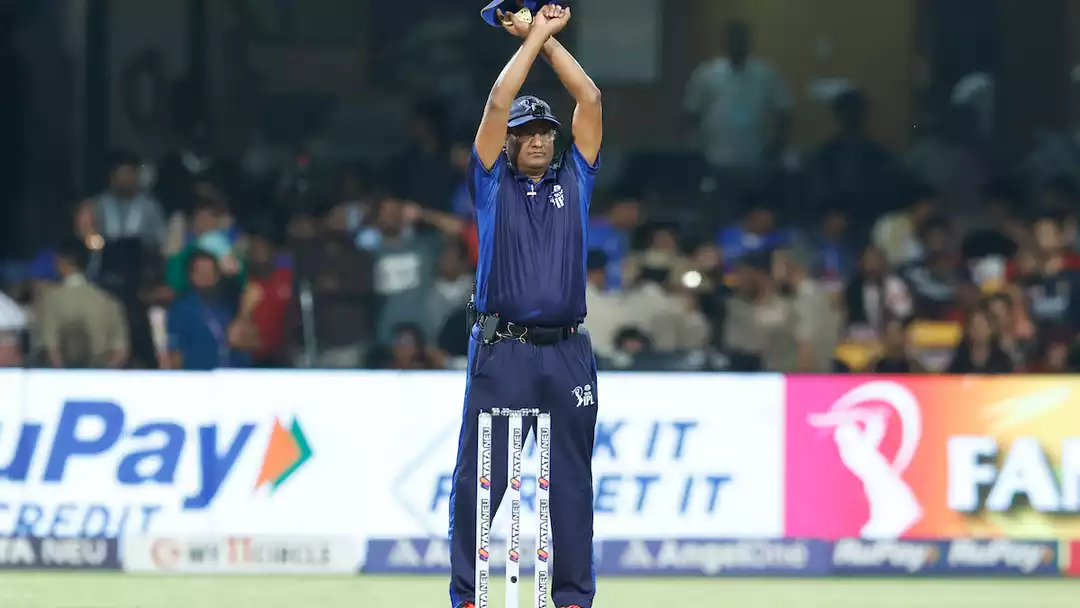
The Board of Control for Cricket in India (BCCI) has reopened the debate over one of the most controversial rules in the Indian Premier League, asking franchises to submit their views on the Impact Player rule ahead of the next season.
IPL teams have been given until August 31 to provide feedback on the rule, which allows a team to replace one player during a match with a designated substitute. Introduced to add tactical flexibility and create opportunities for more players, the Impact Player rule has divided opinion across the cricketing community.
The BCCI has also requested feedback on several other cricket operations matters, including umpiring, practice sessions, playing conditions and Player and Match Official Area (PMOA) arrangements. However, the Impact Player rule appears to be the most significant issue in the latest communication sent to franchises.
BCCI Reopens Impact Player Debate
The request for feedback has created uncertainty over the future of the Impact Player rule.
Seeking feedback from franchises after an IPL season is a routine part of the league’s administrative process. What makes the latest development interesting is that the Impact Player clause was widely expected to remain in place for at least another season.
During last year’s IPL pre-season Captains’ Meeting, the BCCI and IPL management had indicated that the rule would continue for another year. The latest communication reportedly refers specifically to that meeting while asking franchises to provide their views.
That has raised questions about whether the BCCI is now considering a review of the rule before the next IPL season.
For the moment, there is no confirmation that the Impact Player rule will be removed. The franchises’ feedback will form part of the review process, and the final decision will rest with the BCCI and IPL authorities.
Impact Player Rule Has Divided Cricket
The Impact Player rule has been one of the most debated changes introduced in the IPL in recent years.
The rule gives teams the ability to replace a player during a match, allowing captains and coaches to respond to changing conditions. A batting-heavy lineup can bring in an additional specialist bowler, while a team can introduce another batter if it needs to chase a challenging target.
From a tactical perspective, the rule has added another layer to IPL strategy.
However, critics argue that it has changed the balance between bat and ball.
The concern became particularly prominent during the 2026 season, which witnessed a large number of high-scoring matches. With teams able to introduce specialist players at different stages, questions were raised about whether bowlers had been placed at an increasing disadvantage.
The debate has therefore moved beyond tactical experimentation to a larger discussion about the balance of the game.
Also Read-MCA Introduces Equal Pay
Rohit Sharma and Other Stars Have Opposed the Rule
Several prominent Indian cricketers have publicly expressed reservations about the Impact Player rule.
Rohit Sharma, Hardik Pandya, Axar Patel and Shubman Gill are among the high-profile players who have spoken against it.
One of the central arguments from critics is that the rule can reduce the importance of all-rounders.
Traditionally, an all-rounder provides balance to a playing XI by contributing with both bat and ball. With the Impact Player option available, teams can instead select specialist players and use a substitute to cover a weakness during the game.
That could potentially reduce the demand for players capable of contributing in multiple disciplines.
There is also an argument that the rule could affect the development of young all-rounders and tactical balance within teams.
Rule Also Has Supporters
Despite the criticism, the Impact Player rule is not without supporters.
The system has provided franchises with additional tactical options and created opportunities for players who may otherwise struggle to find a place in the starting XI.
Coaches and captains can use the substitute according to match situations, making the rule particularly attractive in a format where conditions can change rapidly.
The Impact Player mechanism has also encouraged teams to think differently about squad construction.
Rather than selecting a fixed combination of 11 players, franchises can plan for different phases of a match and identify specific situations in which an Impact Player can change the contest.
This tactical element is one reason why the rule has retained support within sections of the IPL.
High-Scoring Matches Add to Concerns
The 2026 IPL season has intensified the debate.
The competition witnessed several high-scoring encounters, leading to concerns about the growing advantage enjoyed by batters.
While pitches, boundary dimensions, equipment and playing conditions all influence scoring, the Impact Player rule has become part of the discussion because teams can effectively strengthen their batting or bowling resources during a match.
Critics believe that the additional flexibility can reduce the consequences of selecting a weaker batting or bowling combination at the beginning of the game.
For bowlers, particularly those operating under intense pressure in the T20 format, the concern is that the rule can make an already difficult job even more challenging.
Franchises Asked to Submit Feedback
The BCCI’s latest communication asks each franchise to consult its Cricket Operations team and submit consolidated feedback.
The request covers several areas connected to the recently completed season.
The franchises have been asked to send their responses by August 31. The feedback will then be compiled by the BCCI and IPL management for further review before the next season.
This process gives the franchises an opportunity to explain how the rules and operational arrangements affected their teams during the season.
The Impact Player rule is likely to generate the most discussion, given the contrasting views among players, coaches and other stakeholders.
PMOA Security Also Under Review
The Impact Player debate is not the only issue that emerged from the 2026 IPL.
The BCCI has also sought feedback on Player and Match Official Area arrangements.
During the previous season, there were incidents involving unauthorised people entering the PMOA area, raising concerns about the enforcement of anti-corruption protocols and match-day security.
The issue became serious enough for the BCCI to issue additional guidelines during the season to players, support staff and franchise owners.
In its latest communication, the BCCI has included PMOA-related matters under the broader Match Day Matters section.
The category also covers catering and other match-day operational concerns.
Strengthening access control around players and match officials is particularly important for maintaining the integrity of the IPL and ensuring that anti-corruption regulations are properly enforced.
Umpiring and Practice Sessions Also Included
The BCCI’s feedback request extends beyond the Impact Player rule and PMOA arrangements.
Franchises have also been asked to provide their views on umpiring, practice sessions and playing conditions.
Feedback from the teams can help the league identify operational problems that may not be immediately visible to administrators.
Practice schedules, venue access and match-day logistics can have a direct effect on player preparation, particularly during a tournament as demanding as the IPL.
Similarly, feedback on umpiring can help the league evaluate the consistency and efficiency of decision-making during matches.
The process therefore represents a broader review of how the tournament was conducted rather than a discussion limited to one rule.
What Could Happen to the Impact Player Rule?
At this stage, it would be premature to conclude that the Impact Player rule will be scrapped.
The BCCI has requested feedback rather than announcing a change to the regulations.
The responses from the franchises will provide one part of the information required before a final decision is taken.
There are several possible outcomes. The BCCI could retain the rule in its existing form, modify certain aspects of it or remove it altogether.
A change could also involve restrictions on how and when an Impact Player can be introduced.
Any adjustment would have significant tactical implications for IPL franchises, particularly because teams have spent several seasons building strategies around the rule.
A Debate That Is Unlikely to Disappear
The Impact Player debate reflects a larger question about the direction of T20 cricket.
The format is designed around innovation, entertainment and tactical flexibility, but there is also a need to maintain a competitive balance between bat and ball.
The IPL has historically been a testing ground for new ideas, and the Impact Player rule is one of its most prominent experiments.
Supporters see it as an exciting tactical innovation. Critics believe it interferes with the traditional balance of a playing XI.
The BCCI’s decision to seek detailed feedback from franchises suggests that the debate is far from settled.
BCCI Faces Important Decision Ahead of IPL 2027
With franchises now preparing their responses, the future of the Impact Player rule has become one of the major talking points ahead of the next IPL season.
The BCCI will have to weigh feedback from teams alongside the views of players, coaches and other stakeholders.
At the same time, issues surrounding PMOA security, umpiring, practice facilities and playing conditions will also need to be addressed.
The immediate deadline for franchise feedback is August 31, after which the BCCI and IPL management are expected to assess the recommendations and determine what changes, if any, are required.
For now, the Impact Player rule remains in the spotlight.
What began as an attempt to add tactical depth to the IPL has developed into a wider debate about player roles, batting dominance and the balance between bat and ball.
As the BCCI prepares for the next chapter of the league, its review could determine whether the Impact Player remains a defining feature of IPL cricket or becomes another experiment consigned to the history of the tournament.