

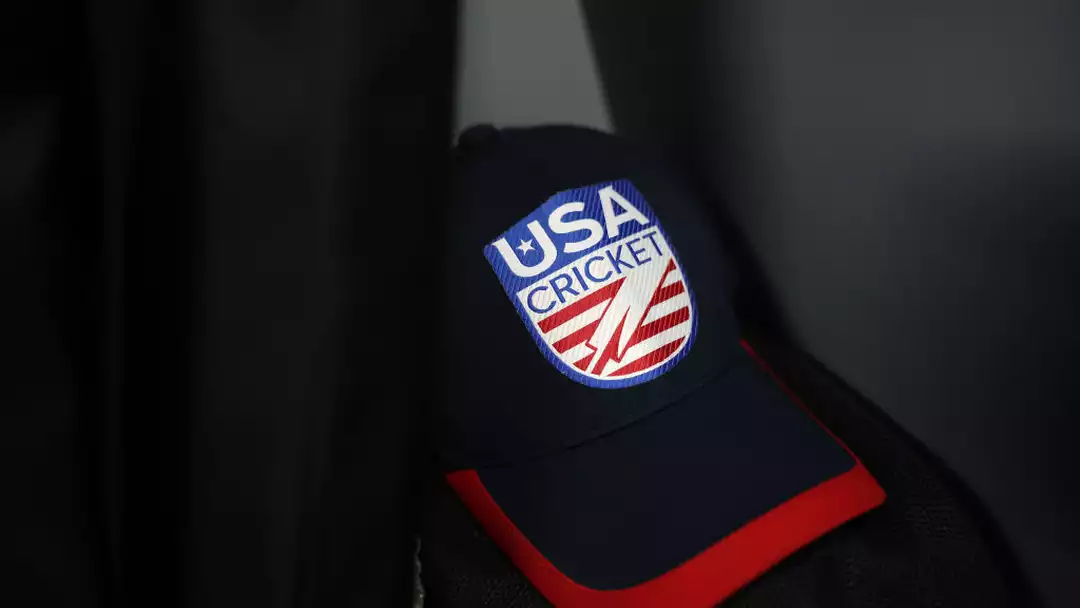
After years of friction, legal disputes, and administrative instability, a breakthrough may finally be on the horizon for cricket in the United States. The long-standing conflict between USA Cricket and American Cricket Enterprises appears close to resolution, with both sides signing a proposed settlement that could reshape the sport’s governance and financial structure in the country.
A Financial Lifeline and Strategic Reset
At the center of the agreement is a funding package exceeding $1.1 million from ACE, aimed at stabilizing USA Cricket during and after its bankruptcy proceedings. This financial support is not merely a bailout—it represents a broader attempt to reset the working relationship between the governing body and its commercial partner.
ACE, which owns Major League Cricket (MLC), will regain its role as USA Cricket’s commercial partner under the original 2019 agreement. That deal, once seen as a cornerstone for cricket’s growth in the US, had become a major point of contention over the years.
If approved, the settlement would restore operational continuity while laying the groundwork for a more stable administrative structure.
Origins of a Prolonged Conflict
Although the legal battle intensified in 2025, the roots of the dispute go back several years. Tensions initially emerged over the implementation of the long-form commercial agreement between USA Cricket and ACE.
Ironically, key figures such as former chairman Venu Pisike and director Srinivas Salver had originally supported the 2019 deal. However, disagreements over control, governance, and contractual structure gradually escalated into a full-blown institutional conflict.
What followed was a prolonged period of instability marked by internal divisions, governance failures, and a breakdown in trust between stakeholders.
ICC Suspension and Governance Collapse
The situation reached a critical point in September 2025 when the International Cricket Council suspended USA Cricket. The decision came after repeated warnings over governance lapses, administrative inefficiencies, and persistent infighting within the organization.
For the ICC, USA Cricket’s inability to meet global governance standards was untenable—especially in a market widely regarded as cricket’s most valuable untapped opportunity.
The suspension not only damaged the credibility of USA Cricket but also intensified pressure to implement structural reforms.
Bankruptcy as a Strategic Move
Amid escalating tensions, USA Cricket attempted to terminate its agreement with ACE in September 2025. ACE immediately challenged the move as unlawful, setting the stage for a legal showdown.
In a dramatic twist, USA Cricket filed for bankruptcy protection in October 2025—just moments before a scheduled court hearing. This move fundamentally altered the dynamics of the dispute.
Bankruptcy proceedings provided USA Cricket with temporary legal protection, allowing it to pause contractual obligations and renegotiate terms under court supervision. While controversial, the strategy bought time and shifted leverage in an otherwise losing battle.
However, it also marked the end of the existing leadership’s control over the organization.
ALSO READ-Wasim Khan to Step Down as ICC Cricket GM After Four Years
Court-Appointed Oversight Changes the Game
By early 2026, the bankruptcy court took the extraordinary step of removing USA Cricket’s leadership and appointing a trustee to oversee operations. This decision was a turning point.
With an independent authority now driving negotiations, discussions with ACE moved away from entrenched positions toward a more pragmatic resolution. The proposed settlement is the first major outcome of this court-led intervention.
It represents not just a financial agreement but a structural reset aimed at restoring credibility and functionality.
ICC’s Likely Role in Rebuilding
If the settlement is approved, attention will quickly shift to the ICC and its role in rebuilding USA Cricket. Early indications suggest that the ICC will adopt a more hands-on approach than in the past.
Rather than immediately reinstating a fully elected board, the governing body is expected to implement a transitional model. This could involve appointing independent directors and key executives, including a CEO, to ensure stability and accountability.
Elections for other positions may be deferred until after the upcoming Olympic cycle, reflecting a deliberate strategy to avoid the factional disputes that previously undermined the organization.
The Bigger Picture: Cricket’s “Sleeping Giant”
The United States has long been described as cricket’s “sleeping giant”—a market with immense commercial potential but persistent governance challenges. Over the years, multiple suspensions, failed agreements, and administrative breakdowns have hindered the sport’s growth in the country.
Despite these setbacks, the presence of Major League Cricket and increasing global interest in the US market underline its importance to the future of the game.
The current settlement could finally provide the stability needed to unlock this potential.
A Defining Moment for US Cricket
While there have been several false starts in the past, this moment feels more consequential than previous attempts at reform. The combination of financial backing, legal restructuring, and ICC oversight creates a unique opportunity for a fresh start.
However, success will depend on whether lessons from past failures are genuinely implemented. Governance transparency, clear accountability, and stakeholder alignment will be critical in ensuring long-term stability.
The proposed settlement between USA Cricket and American Cricket Enterprises marks a potential turning point for cricket in the United States. It offers a rare chance to break free from a cycle of instability and rebuild on stronger foundations.
With the ICC expected to play a central role and global events like the Olympics on the horizon, the stakes have never been higher. If managed effectively, this could finally be the moment when American cricket begins to realize its long-promised potential.