

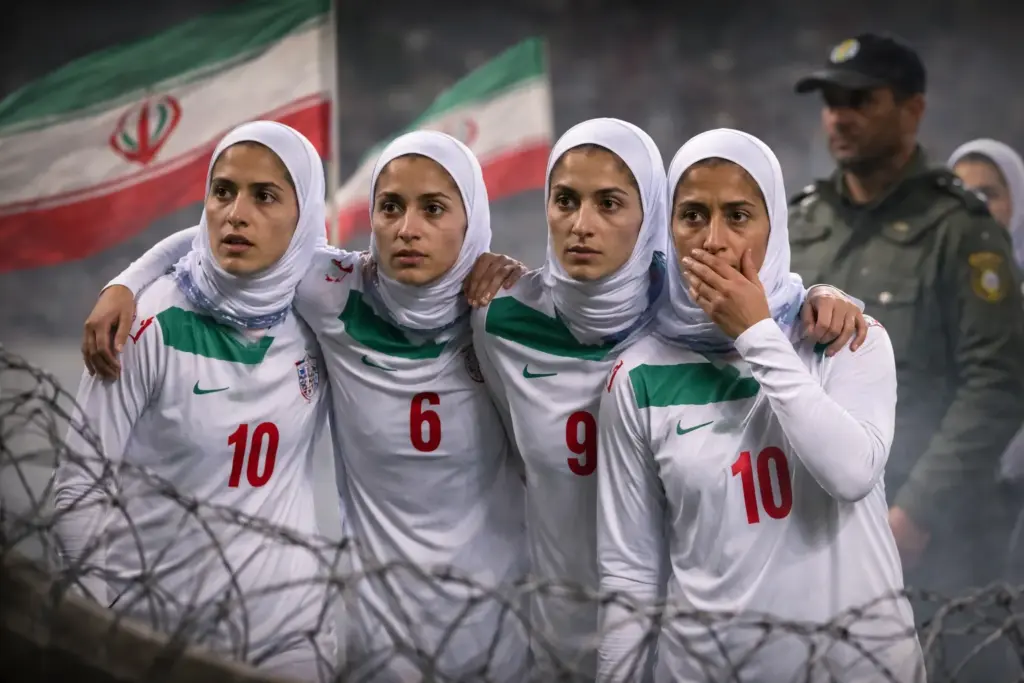
All you need to know: What’s happening with the Iranian Women’s Football Team
The Iranian women’s national football team has unexpectedly found itself at the centre of an international political and humanitarian story. What began as a football tournament in Australia has quickly escalated into a complex situation involving protest, asylum, geopolitics and the personal safety of several players.
Here is a complete timeline explaining how the situation unfolded.
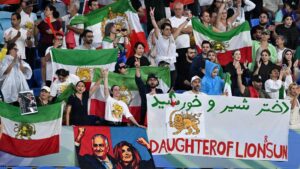
The events involving the team come at a time of instability in Iran. The country has been dealing with protests and conflict in the region. For years, Iranian athletes have faced strict government oversight. Public dissent against the regime led by their former Supreme Leader Ali Khamenei can result in serious consequences, including imprisonment.
According to reports by Erfan Hoseiny, Iranian athletes have operated under state scrutiny where even acts during international competitions can carry consequences.
Five Iranian national women’s team players have sought asylum in Australia. This comes after their lives were directly threatened on state media for not singing the national anthem and called “wartime traitors”.
Fatemeh Pasandideh (21)
Zahra Ghanbari (34)
Zahra Sarbali (32)… https://t.co/8PJbKldpUE pic.twitter.com/2vglbBMwIk— Erfan Hoseiny 🇮🇷🇦🇪 (@Eri1806) March 9, 2026
In recent years, Iranian athletes have used international competitions to protest against government restrictions.
It is within this tense political climate that the Iranian women’s football team arrived in Australia for the Asian Football Championship Women’s Asian Cup.
The silent protest: Refusing to sing the national anthem
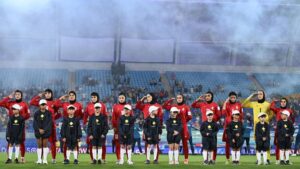
The controversy began during Iran’s opening match at the tournament.
Several Iranian players chose not to sing the national anthem before kick-off. The act was interpreted as a protest against the Iranian regime and the political situation.
The moment quickly went viral and drew attention. Iranian state media reacted, reportedly labelling the players as “traitors”.
This raised fears that the players could face punishment if they returned home.
Following the anthem protest, reports emerged that members of the delegation were being monitored in their movements in Australia. Concerns grew that officials linked to the Iranian authorities were keeping a watch on the players.
Some players reportedly felt they were under pressure to conform and avoid further political gestures.
At the same time, global attention increased as human rights advocates began calling on Australia to ensure the safety of the players if they feared returning to Iran.
Five players granted humanitarian visas

The situation escalated after Iran’s campaign in the tournament ended.
Five members of the Iranian squad applied for protection and were granted temporary humanitarian visas by the Australian government, allowing them to remain in the country rather than return to Iran.
The players reportedly feared they could face serious repercussions once back home because of the anthem protest and the political tensions surrounding it.
Under Australian policy, such visas allow individuals to remain temporarily while their long-term protection claims are assessed.
Seven members seek refuge
Final Update:
Golnoosh Khosravi (24) was the 7th and final player who stayed in Australia and requested asylum.
The total has reached 7 players and 1 staff member.
The team has now left Sydney for Malaysia. https://t.co/d9iDbTEelp pic.twitter.com/pVWklXPjxr
— Erfan Hoseiny 🇮🇷🇦🇪 (@Eri1806) March 10, 2026
As the situation developed, more members of the Iranian delegation considered staying behind.
Seven individuals from the team delegation including players sought asylum in Australia, citing concerns about their safety.
The decision was extremely difficult for many players. Some were worried about the safety of their families back home, while others feared they might never be able to return to Iran if they stayed.
The rest of the team departs for Malaysia
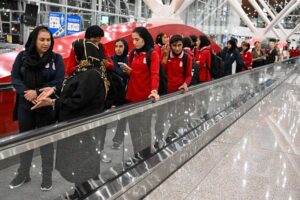
While some members remained in Australia, the majority of the Iranian squad left the country after the tournament.
They travelled to Malaysia as part of their return journey, marking an emotional moment for the team as teammates were separated by their decisions to stay.
Scenes at airports and hotels highlighted the weight of the situation, with players forced to make decisions.

Change of heart
One of the most dramatic twists came when Golnoosh Khosravi, who had chosen to remain in Australia, changed her mind.
According to officials, she later contacted Iranian embassy representatives and decided she wanted to return to Iran instead.
🚨 Golnoosh changed her mind in the last minutes due to threats to her family and boarded the flight to Malaysia with the rest of the team.
— Erfan Hoseiny 🇮🇷🇦🇪 (@Eri1806) March 10, 2026
Her decision created immediate security concerns because it revealed the location of other players who had chosen to stay in Australia. Authorities reportedly moved the remaining asylum seekers to a different location to ensure their safety.
The episode highlighted how difficult the decision to seek asylum can be.
Further on, two more Iranian players and a technical staff member went on to have a change of heart, and have decided to surrender their emergency visas and are reportedly returning back to Iran. This has further solidified the claims of pressure from the current Iranian regime.
The situation has sparked debate about whether the Australian government did enough.
Supporters of the government say Australian officials handled the situation responsibly by meeting players privately.
Critics argue that authorities could have intervened earlier, given the risks athletes sometimes face during international tournaments.
There has also been criticism directed at tournament organisers for failing to conduct adequate human-rights risk assessments ahead of the competition.
Why aren’t football journalists covering this story? And what about Rashid Mazaheri?
Despite the global implications of the situation, many observers have questioned why the story has not received greater attention from football journalists.
Just three weeks ago, another alarming case emerged involving Iranian footballer Rashid Mazaheri, who reportedly posted a message on Instagram criticising Supreme Leader Ali Khamenei.
According to reports circulating among journalists, Mazaheri was detained by Iranian authorities and has not been seen publicly since. His wife has been demanding answers about whether he is still alive.
Why aren’t football journalists covering this story?
3 weeks ago member of Iranian national football team, Rashid Mazaheri, posted a story on IG against Khamenei.
The regime kidnapped him and he has not been seen since, his wife is demanding answers and if he’s still alive. pic.twitter.com/3rqTLQHlhf
— Throwback Iran (@Tarikh_Eran) March 11, 2026
If true, the case would highlight the risks athletes in Iran, making the decisions taken by members of the women’s national team even more significant.
A story bigger than football:

What began as a football tournament has now become a story about freedom, protest and personal risk.
For the Iranian women who chose to remain in Australia, the decision could define the rest of their lives. For those who returned home, uncertainty remains.
Either way, the events surrounding the Iranian women’s football team have once again shown that in today’s world, sport and politics are often impossible to separate.