

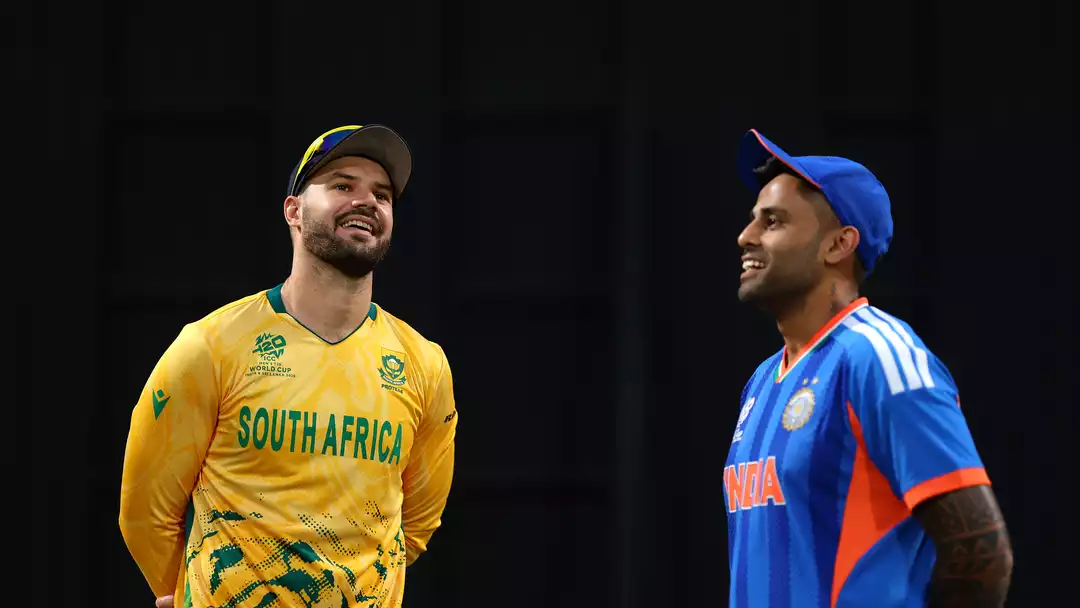
When a team wins 12 out of 12 matches in a T20 World Cup cycle and boasts a staggering 45-4 record in bilateral contests since 2024, excellence begins to look ordinary. That is the paradox facing India as they prepare to take on South Africa in a high-voltage Super Eight encounter at the Narendra Modi Stadium on Sunday night.
The bar has been raised so high that even a 190-plus total is viewed with mild scrutiny. After India posted 193 in their previous outing, skipper Suryakumar Yadav was asked why the “batting bomb” hadn’t quite exploded. His response was both firm and telling: when you score 190 in T20 cricket, what more is realistically required?
The Spotlight on Abhishek Sharma
While India’s overall performance remains strong, individual form has come under scrutiny — particularly that of Abhishek Sharma. The explosive opener, known for his fearless strokeplay and ability to dismantle bowling attacks inside the Powerplay, has endured a rare lean stretch, registering three consecutive ducks.
For a batter whose natural game is built on tempo and intimidation, such returns stand out sharply. Opposition teams have sensed an opportunity and have altered their tactics accordingly. There has been a noticeable pattern of beginning the innings with off-spin against India, seeking to exploit the left-hander early before he settles.
Despite the noise outside the dressing room, there is no indication of panic within. Suryakumar has publicly backed Abhishek, making it clear that the management views this as a temporary dip rather than a structural flaw. The captain’s message has been simple: last season Abhishek carried the team in phases; now the team will support him.
That show of faith also extends to team selection. Calls to introduce Sanju Samson as a replacement have been firmly dismissed. Samson’s impressive numbers against South Africa — including a remarkable strike rate and multiple big scores — make him a tempting alternative. Yet India appear committed to continuity over short-term reaction.
Tilak’s Role and Middle-Order Balance
If Abhishek’s struggles have drawn headlines, Tilak Varma’s quieter tournament has prompted quieter discussions. The stylish left-hander at No. 3 has not quite unleashed his full range, though his returns have been serviceable rather than alarming.
India’s approach suggests they value role clarity over impulsive reshuffles. Tilak anchors the transition from Powerplay aggression to middle-overs consolidation, a phase that often determines whether totals reach competitive or match-winning levels.
Behind them lies depth. Hardik Pandya’s finishing power, Shivam Dube’s brute force against spin, and Rinku Singh’s composure in tight chases create layers of security. Add to that Axar Patel’s likely return for additional balance, and India’s XI retains structural robustness even if one or two batters misfire.
The Tactical Chessboard
Sunday’s contest will not merely be about form; it will hinge on tactical precision. South Africa, led by Aiden Markram, have shown flexibility in bowling combinations. The idea of opening with spin against India remains an intriguing possibility, particularly given how other teams have tested that route.
However, Ahmedabad’s black-soil surface introduces another dimension. Under lights at the Narendra Modi Stadium, swing tends to be pronounced in the early overs, especially in the second innings. For Abhishek Sharma, that means the challenge may not be spin at all, but lateral movement through the air.
Technically, that demands restraint. Deliveries angling away often reward square-of-the-wicket strokes, particularly cuts and lofted shots over point. Balls shaping back in can be accessed through mid-wicket and square leg rather than straight down the ground. Shot selection, therefore, becomes a percentage game rather than a power contest.
South Africa’s attack — likely to include Kagiso Rabada, Lungi Ngidi, and Marco Jansen — offers pace and bounce. Their spin resources, including Keshav Maharaj and part-time options from Markram and Tristan Stubbs, provide variety. This diversity allows them to respond dynamically to match situations rather than rely on rigid patterns.
A Rivalry Renewed
India’s head-to-head record against South Africa in recent global tournaments tilts in their favour. The memory of their dramatic final meeting in 2024 still lingers. Yet numbers alone do not capture the present dynamic.
This South African side has evolved. Quinton de Kock remains a destructive presence at the top. Markram’s shift toward opening in recent seasons has added stability. David Miller continues to anchor the middle order with calm authority. Their Powerplay metrics in this tournament underline an aggressive template — quick starts, sustained pressure, and an intent to dictate terms.
India, conversely, rely on layered strength. Jasprit Bumrah’s precision at the death, Arshdeep Singh’s new-ball swing, and Varun Chakaravarthy’s wicket-taking consistency in the middle overs create defensive assurance. Few teams in world cricket can match that blend of control and penetration.
ALSO READ –India Clinch 17-Run Win in Adelaide Thriller
Beyond the Super Eight
What makes this fixture especially compelling is the possibility of a repeat encounter in the final. Both sides have navigated the league stage flawlessly. Both possess balance across departments. Both have match-winners capable of shifting momentum within a single over.
For India, the broader narrative revolves around sustaining standards that have redefined expectation. For South Africa, it is about translating potential into silverware and erasing the pain of narrow defeats in global finals.
What to Expect
This is unlikely to be a one-sided affair. Rather than a run-fest, the contest may hinge on early breakthroughs and middle-overs discipline. The Powerplay battle — Abhishek versus swing, de Kock versus India’s new-ball attack — could set the tone.
All eyes will inevitably remain on Abhishek Sharma. Cricket’s rhythm often rewards persistence, and a breakout innings here would feel almost poetic. Yet India’s strength lies not in one individual but in a collective that has repeatedly absorbed pressure and responded clinically.
When two unbeaten teams collide, the margins narrow. A dropped catch, a misjudged review, or a single over of brilliance can tilt the balance. On Sunday night in Ahmedabad, the stakes will feel larger than a Super Eight fixture.
It will be a contest between two teams at the peak of their powers — and perhaps a preview of an even bigger stage to come.