

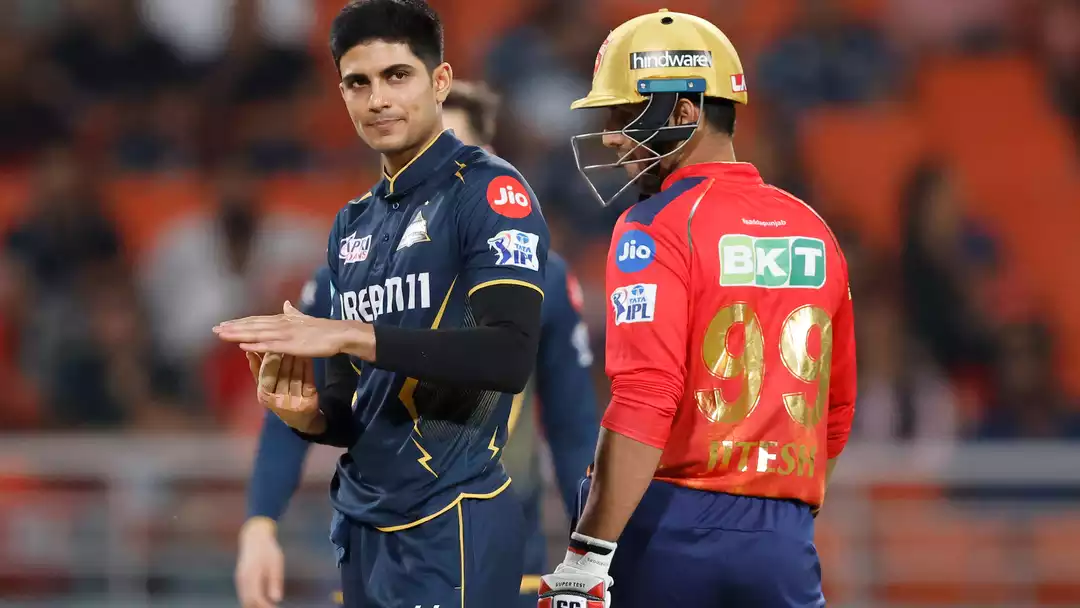
The Board of Control for Cricket in India (BCCI) has rolled out significant updates to the playing conditions rules for the Indian Premier League 2026, with a major change in how the Decision Review System (DRS) will operate. The revised rules aim to streamline the review process, reduce unnecessary delays, and bring greater clarity to decision-making on the field.
These changes were communicated to franchises during the captains’ meeting held ahead of the tournament, with key officials including Javagal Srinath (head of match referees) and Nitin Menon (umpires’ head) explaining the updated protocols.
No More Automatic Double Checks in DRS
The most notable change relates to DRS reviews. Going forward, reviews will be strictly limited to the original point of appeal. This means that umpires will no longer conduct automatic secondary checks during a single review.
For example, if the bowling side appeals for a caught-behind and opts for a review, the third umpire will only examine whether there was a nick. If replays confirm no contact between bat and ball, the decision stands—but no additional checks, such as whether the delivery was a wide, will be carried out.
Earlier, it was common for umpires to check multiple aspects of a delivery during a single review. This often led to extended review times and occasional confusion among players and fans.
Batting Side Must Initiate Separate Review
Under the new rule, any additional checks—such as a wide call—will only be considered if the batting side initiates a separate review within the stipulated time.
Teams are given 15 seconds to decide whether to review. Importantly, if the bowling side has already used a review, the batting side will not receive an additional 15 seconds afterward to request a secondary check.
The logic behind this change is straightforward: both teams are expected to be aware of the delivery and make timely decisions. This places greater responsibility on players to react quickly and strategically.
Visual Demonstrations for Clarity
To ensure teams fully understand the new rule, BCCI officials used video demonstrations during the captains’ meeting. These examples illustrated scenarios involving caught-behind appeals and wide calls, clearly showing how the updated system will function in real match situations.
One such example involved a short delivery that passed well above the batter’s reach. While the bowling side reviewed for a caught-behind, replays confirmed no edge. Under previous rules, umpires might have checked for a height wide—but under the new system, that check would only occur if the batting side requested it within the review window.
Introduction of Innings Timer and 60-Second Clock
In addition to DRS changes, the BCCI has introduced measures to address slow over rates and improve match flow.
An innings timer will now be displayed on the scoreboard after the third ball of each over and at the end of every over. Alongside this, a 60-second clock will appear on the big screen between overs.
Teams will receive two warnings if the bowler is not ready to start the next over within the allotted time. On the third violation, a penalty of five runs will be awarded to the batting side.
This rule is designed to maintain the pace of the game and ensure matches conclude within the scheduled timeframe.
ALSO READ – Rohit Sharma Leads MI to Historic Chase, Ends 14-Year Opening Match Drought
Revised Concussion Replacement Rules
The BCCI has also updated its concussion replacement guidelines to provide greater flexibility.
- Teams can opt for a like-for-like replacement from the list of nominated substitutes.
- If a wicketkeeper suffers a concussion, the replacement can be selected from the broader squad.
- In the case of an overseas player sustaining a concussion, teams are allowed to bring in an Indian substitute if they have already fielded the maximum quota of four overseas players.
These changes aim to prioritize player safety while maintaining the competitive balance of the match.
New Protocol for Team Sheets
Another procedural update involves the submission and exchange of team sheets.
Captains will now carry two versions of the team sheet—one for batting first and one for bowling first. After the toss, the appropriate sheet is handed over to the match referee.
Additionally:
- Team managers will exchange copies with each other
- Remaining copies will be submitted to the Assistant Venue Manager
This streamlined process ensures transparency and reduces last-minute confusion regarding team compositions.
Impact on Gameplay and Strategy
These rule changes are likely to have a significant impact on how teams approach matches in IPL 2026.
The revised DRS system will require sharper decision-making from players and support staff. Teams must be more proactive and cannot rely on umpires to check multiple aspects of a delivery automatically.
Similarly, the introduction of time-related penalties will push teams to be more disciplined with over rates, potentially influencing bowling rotations and field placements.