

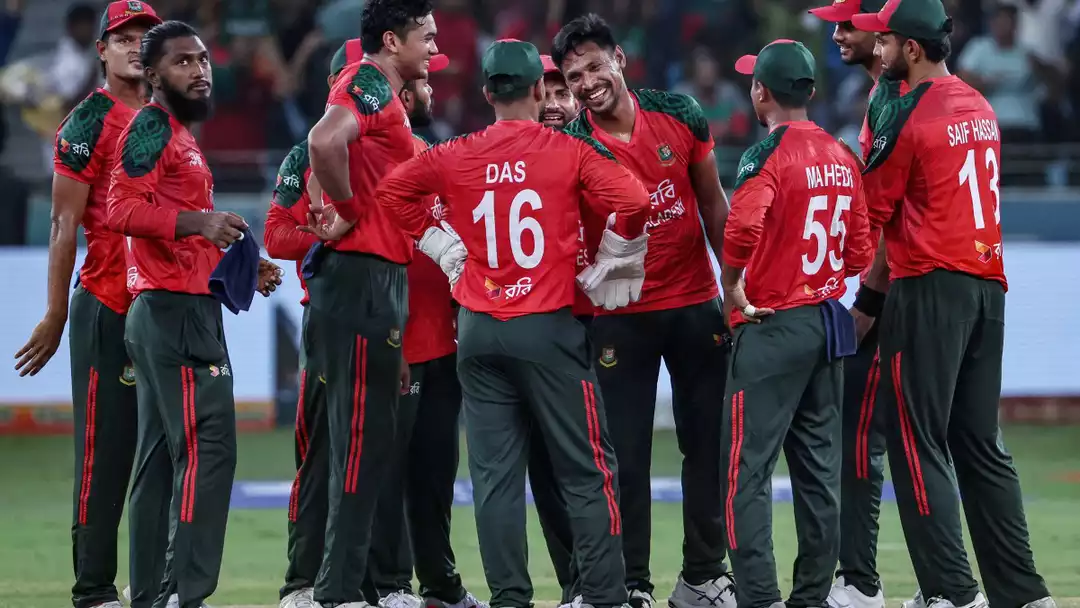
The Bangladesh Cricket Board (BCB) has reaffirmed its commitment to organizing the 2025–26 season of the Dhaka Premier Division Cricket League (DPL), despite a prolonged and unresolved conflict with several club organizers. The dispute, now stretching over seven months, has created uncertainty across Bangladesh’s domestic cricket structure and left professional cricketers increasingly frustrated.
A League in Limbo
The Dhaka Premier Division Cricket League is widely regarded as the premier domestic 50-over competition in Bangladesh. Beyond its competitive significance, it serves as a crucial platform for identifying and nurturing talent for the national team.
However, the ongoing disagreement between the BCB and participating clubs has stalled the league, putting the entire domestic season at risk. With no matches being played and no clear resolution in sight, players across the country are facing both professional uncertainty and financial strain.
Cricketers Caught in the Crossfire
The prolonged deadlock has had a direct impact on cricketers, many of whom rely heavily on the DPL as their primary source of income. With the league suspended, payments have been delayed or halted, leaving players in a precarious financial situation.
The Cricket Welfare Association of Bangladesh (CWAB), which represents the interests of cricketers, has been actively trying to mediate between the board and the clubs.
CWAB president Mithun expressed concern over the situation, emphasizing that the dispute is hurting the very foundation of Bangladesh cricket. He pointed out that for many players, especially those outside the national setup, the DPL is not just a competition but a livelihood.
His remarks underline a growing sentiment within the cricketing community—that administrative conflicts should not come at the cost of players’ careers and financial stability.
BCB’s Stand: Moving Forward with Planning
Despite the resistance from several clubs, the BCB appears determined to move forward. The Cricket Committee of Dhaka Metropolis (CCDM), which is responsible for organizing domestic leagues, has scheduled a meeting with club representatives on April 8.
The objective of this meeting is to finalize key aspects such as fixtures, logistics, and operational planning for the upcoming season. In an official statement, the BCB reiterated the importance of maintaining a structured and competitive domestic cricket ecosystem.
According to the board, the DPL remains central to Bangladesh’s cricketing framework, acting as a bridge between grassroots cricket and the national team.
Clubs Remain Divided
However, the BCB’s efforts face significant resistance. Reports suggest that only three to four clubs are currently willing to engage with the CCDM and participate in discussions.
A major point of contention is the legitimacy of the current board structure, with several club organizers reportedly refusing to cooperate on the grounds that they consider the board “illegal.”
This division among clubs has further complicated the situation, making it difficult to reach a consensus. Without broad participation, any attempt to restart the league may lack credibility and competitive balance.
A Threat to Talent Development
The uncertainty surrounding the DPL has broader implications for Bangladesh cricket. As the country’s top-tier List A competition, the league has historically been a breeding ground for emerging talent.
Many national team players have honed their skills in the DPL before making the transition to international cricket. A prolonged disruption could hinder the development pipeline, affecting the future competitiveness of Bangladesh cricket on the global stage.
ALSO READ – Maddy Green’s Century Powers New Zealand to Series Win Over South Africa
Financial and Professional Impact
Beyond talent development, the financial implications are severe. Domestic cricketers, especially those not centrally contracted, depend heavily on league earnings.
With the standoff continuing, players are left without income, forcing some to explore alternative sources of livelihood. This situation not only affects individual players but also risks reducing the overall talent pool in the sport.
The Need for Resolution
The current impasse highlights the importance of effective governance and collaboration among stakeholders in sports administration. While disagreements are not uncommon, prolonged conflicts can have lasting consequences.
Both the BCB and the clubs need to find common ground to ensure the smooth functioning of domestic cricket. The involvement of CWAB could play a crucial role in bridging the gap and facilitating dialogue.