

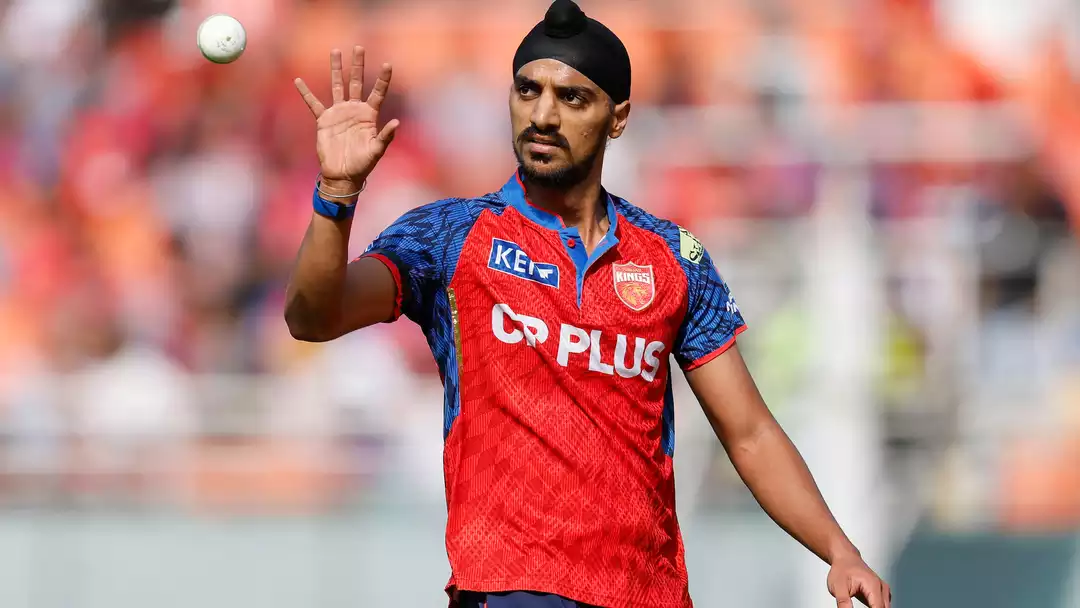
Punjab Kings (PBKS) have not formally instructed Arshdeep Singh to stop posting vlogs or Instagram reels, contrary to circulating reports. However, the franchise is expected to brief players regarding the newly issued advisory from the Board of Control for Cricket in India and seek their compliance with the updated operational guidelines.
The development comes amid the BCCI’s broader crackdown on security, integrity, and conduct-related concerns during the ongoing Indian Premier League season.
Arshdeep’s Popular Social Media Presence
Arshdeep Singh has built a massive online following over the years, with more than six million followers on Instagram. Known for his entertaining behind-the-scenes content, travel clips, dressing-room moments, and light-hearted reels, the left-arm pacer has become one of the most recognizable cricket personalities on social media.
Arshdeep’s digital presence has helped fans connect more closely with players and team environments, reflecting the growing importance of personal branding in modern sports. However, the increasing visibility of player-generated content has also raised concerns around privacy, security, and operational discipline within professional franchises.
BCCI’s New Advisory Changes the Landscape
The BCCI recently issued a detailed advisory to IPL franchises containing a wide range of instructions covering player conduct, hotel access, movement protocols, accreditation display, vaping restrictions, and interaction guidelines.
One of the broader implications of these directives is tighter control over unofficial content creation involving players and team environments. Going forward, content production and video releases are expected to be routed primarily through official franchise channels to ensure compliance with operational and security standards.
While the advisory does not specifically target Arshdeep Singh, his large-scale social media activity has naturally become part of the larger discussion surrounding player-generated digital content.
PBKS to Conduct Mandatory Team Meeting
PBKS are scheduled to hold a formal team meeting after practice at the Himachal Pradesh Cricket Association Stadium in Dharamsala. During the session, players and support staff will be briefed about the BCCI’s latest directives and asked to sign acknowledgements confirming their understanding and compliance.
This meeting is part of the BCCI’s mandatory compliance structure, which requires franchises to conduct internal briefings within 48 hours of receiving the advisory.
Initially, a co-owner of PBKS was expected to personally address the players. However, due to a flight diversion that prevented the owner from reaching Dharamsala, franchise CEO Satish Menon will now lead the session instead.
Franchises Under Increased Responsibility
The BCCI has made it clear that Team Managers and authorized franchise representatives will be held jointly responsible for ensuring adherence to the new regulations.
This means franchises are now expected not only to communicate rules but also to actively monitor player behavior, maintain records, and ensure that operational guidelines are being followed consistently.
The advisory requires written acknowledgements from every player and support staff member, reflecting the board’s move toward stricter documentation and accountability.
ALSO READ-Pakistan Hand Debut Call-Up to Amber Kainat
Social Media and Modern Cricket
The situation involving Arshdeep Singh highlights a broader issue in contemporary cricket: balancing personal social media freedom with professional responsibilities.
Today’s cricketers are not just athletes but also influencers, entertainers, and public personalities with millions of followers worldwide. Social media allows players to engage directly with fans, strengthen their personal brands, and create commercial opportunities.
At the same time, unrestricted content creation can potentially expose teams to security risks, tactical leaks, privacy concerns, or public controversies. This is especially relevant in tournaments like the IPL, where franchises operate in highly controlled environments with significant commercial and media attention.
Why Franchises Prefer Official Channels
By shifting video production toward official franchise handles, teams can ensure that content aligns with league policies, sponsorship obligations, and security protocols.
Officially managed content also reduces the risk of accidental disclosure of sensitive information, including dressing-room discussions, team strategies, or restricted-access areas. Additionally, centralized content management helps franchises maintain consistent messaging and brand control.
This does not necessarily mean players will completely stop posting personal content, but the nature and extent of such posts may become more regulated moving forward.
PBKS Focused on Maintaining Stability
Despite the off-field discussions, Punjab Kings remain strongly placed in the tournament. The franchise currently sits second on the IPL 2026 points table with 13 points from 10 matches.
Their next fixture against Delhi Capitals in Dharamsala will be crucial as the race for playoff qualification intensifies. Maintaining focus and avoiding distractions will therefore be important for the team management.
BCCI’s Larger Objective
The BCCI’s recent actions indicate a clear attempt to professionalize and tighten operational discipline across the IPL ecosystem. The board appears determined to avoid situations that could affect the tournament’s integrity, reputation, or security.
From player movement and hotel protocols to social media conduct and franchise-owner interactions, the new framework reflects the realities of managing one of the world’s biggest sporting leagues in the digital era.
Contrary to speculation, Punjab Kings have not officially banned Arshdeep Singh from posting reels or vlogs. Instead, the franchise is preparing to align players with the BCCI’s newly introduced operational guidelines, which emphasize discipline, security, and centralized oversight.
The episode underlines the evolving relationship between sports and social media, where personal expression must increasingly coexist with professional compliance. As the IPL continues to grow globally, franchises and governing bodies are likely to place even greater emphasis on structured communication and controlled digital engagement in the future.