

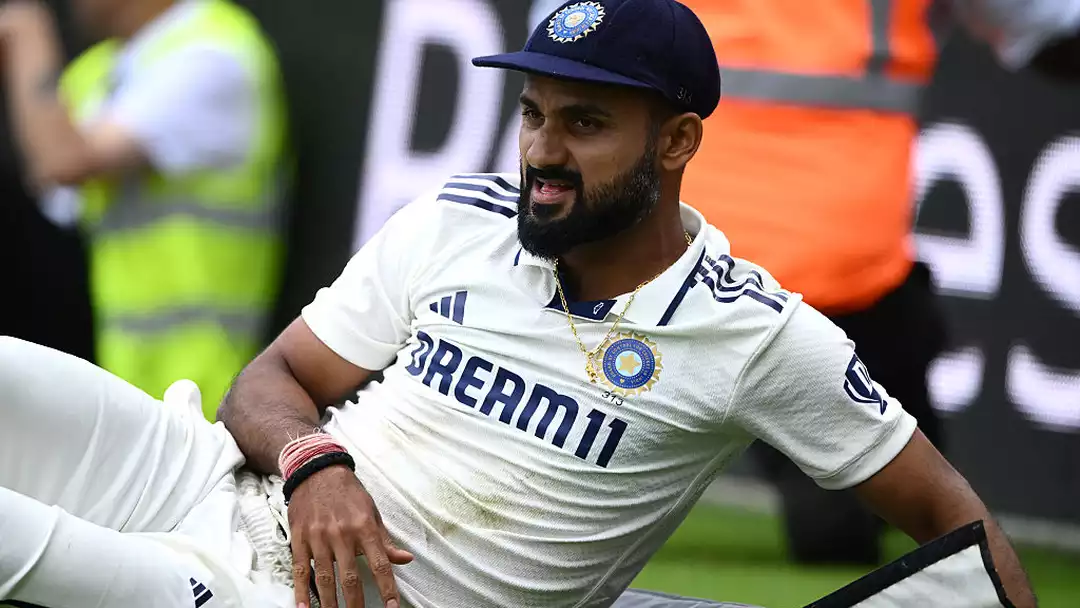
The troubles continue to mount for Kolkata Knight Riders as their fast-bowling unit suffers yet another major setback ahead of the 2026 season of the Indian Premier League. In what comes as a significant blow to their campaign, Indian pacer Akash Deep has been officially ruled out of IPL 2026, further weakening an already fragile pace department.
This development adds to a growing list of concerns for KKR, who are already dealing with uncertainty surrounding key fast bowlers. With multiple first-choice pacers either injured or unavailable, the franchise now faces a serious challenge in maintaining balance within their squad.
A String of Setbacks for KKR’s Pace Attack
KKR’s fast-bowling woes have been building up steadily. Earlier, the team was hit by the absence of Harshit Rana, a promising young pacer who had shown great potential in previous seasons. Adding to the uncertainty is Matheesha Pathirana, who is still awaiting clearance from Sri Lanka Cricket, leaving his participation in doubt.
Now, with Akash Deep also ruled out, the situation has escalated into a full-blown crisis. A senior official from the franchise confirmed the news, stating that the Bengal pacer Akash Deep will not be available for the entire season. For a team that relies heavily on a balanced bowling attack, losing multiple pacers at once significantly disrupts their plans.
The Impact of Akash Deep’s Absence
Akash Deep may not have been the biggest star in the squad, but his role was crucial in providing depth and flexibility to KKR’s bowling unit. Known for his ability to bowl tight lines and generate movement, he was expected to be a reliable backup option, particularly in Indian conditions.
His absence means that KKR will now have to depend more heavily on their remaining fast bowlers, many of whom are either inexperienced or yet to prove themselves consistently at the highest level. This lack of depth could become a major issue, especially during a long and demanding tournament like the IPL.
Pressure on Remaining Bowlers
With multiple absentees, the responsibility now shifts to the available pace options within the squad. Bowlers like Vaibhav Arora and Kartik Tyagi could be thrust into more prominent roles than initially planned.
Additionally, overseas options such as Blessing Muzarabani may need to step up and deliver consistently. While Muzarabani brings pace and bounce, relying too heavily on overseas players can limit team combinations due to IPL regulations.
The team management will need to carefully manage workloads and ensure that the available bowlers remain fit throughout the tournament.
Tactical Adjustments and Strategic Challenges
Given the current situation, KKR might need to rethink their overall strategy. One possible approach could be to strengthen their spin department, which has traditionally been a strong suit for the franchise. Players like Sunil Narine and Varun Chakaravarthy could play an even bigger role in controlling the game.
Another option could be to rely more on all-rounders who can contribute with the ball, thereby compensating for the lack of specialist pacers. However, such adjustments come with their own risks and may affect the overall balance of the team.
ALSO READ – Strongest Playing 12 of GT in IPL 2026
Auction Decisions Under Scrutiny
The injury to Akash Deep also raises questions about squad planning and depth. Although injuries are often unpredictable, having adequate backups is crucial in a tournament as competitive as the IPL.
KKR had picked Akash Deep at his base price of INR 1 crore during the mini-auction, indicating that he was part of their broader strategy. Losing him before the season begins forces the team to rethink those plans and potentially explore replacement options.
What Lies Ahead for KKR?
As IPL 2026 approaches, Kolkata Knight Riders find themselves in a difficult position. Their pace-bowling department, once expected to complement a strong batting lineup, now appears to be a major area of concern.
The team will need to rely on smart tactics, effective leadership, and standout performances from their remaining players to navigate this challenging phase. Much will depend on how quickly they can adapt and whether their backup options can rise to the occasion.