

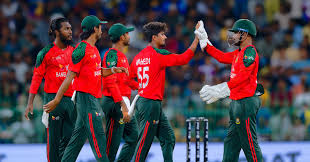
The Bangladesh Cricket Board (BCB) is signaling a potential thaw in relations with the Board of Control for Cricket in India (BCCI), as BCB president Aminul Islam has expressed interest in using the upcoming India vs Pakistan T20 World Cup match in Colombo as a diplomatic opportunity.
The high-profile clash, scheduled for February 15 in Colombo, is expected to draw global attention—not only for cricketing reasons but also for its potential political and administrative significance. According to reports published in leading Bangladeshi daily Prothom Alo, Aminul Islam views the occasion as an opportunity to “break the ice” between the BCB and the BCCI after recent tensions surrounding the ICC T20 World Cup.
The controversy stems from Bangladesh’s decision to withdraw from the ongoing T20 World Cup after the International Cricket Council (ICC) declined their request to relocate their matches outside India due to security concerns. The BCB had raised apprehensions about participating in India under the prevailing circumstances and formally requested alternative arrangements.
However, during the ICC meeting, the majority vote reportedly ruled that if Bangladesh chose not to travel to India, they would forfeit their place in the tournament. As a result, Scotland was named as the replacement team in the T20 World Cup lineup.Despite the withdrawal, the ICC later clarified that Bangladesh would not face any sanctions for boycotting the tournament. Furthermore, a significant development emerged from the discussions: Bangladesh is set to host an ICC event between 2028 and 2031, offering long-term reassurance to the BCB.
The situation gained additional complexity during a tripartite meeting held in Lahore, involving cricket boards from Bangladesh, Pakistan, and other stakeholders. Reports suggest that Aminul Islam played a crucial role in persuading the Pakistan Cricket Board (PCB) to reconsider its stance and continue participation in scheduled matches, particularly against India.
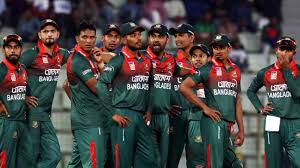
Pakistan had initially contemplated strong measures, including potential withdrawal scenarios, but ultimately agreed to move forward after negotiations. Bangladesh and Pakistan reportedly maintained alignment during discussions at the ICC level, positioning themselves as strategic partners on key administrative matters. This collaboration reinforced Bangladesh’s position during the ICC deliberations, even though the final voting outcome did not favor their immediate request.
Aminul Islam highlighted that the India vs Pakistan T20 World Cup match in Colombo will carry broader significance beyond the sporting spectacle. According to him, representatives from five major Asian cricketing nations—India, Pakistan, Sri Lanka, Bangladesh, and Afghanistan—are expected to be present at the venue.
“These five Asian nations are key stakeholders in world cricket,” Aminul reportedly stated. “For the India-Pakistan match on the 15th, representatives from all five countries are expected to sit together, watch the match, and engage in discussions.”He described the planned interaction as an informal diplomatic platform—essentially an “ice breaker”—that could pave the way for improved communication between the BCB and BCCI. Given the strained atmosphere following Bangladesh’s withdrawal from the tournament, such face-to-face engagement could prove significant in rebuilding trust and clarifying future cooperation.
One of the most critical developments emerging from these discussions is the proposed Memorandum of Understanding (MoU) between Bangladesh and the ICC. Aminul Islam indicated that the BCB intends to formalize agreements reached during the Lahore meeting to ensure there is no ambiguity or deviation in the future.
ALSO READ-https://cricketkeeda.in/inaugural-wbpl-set-for-april-launch/
“We will enter into a detailed agreement—an MoU-type document—so that there is no uncertainty,” Aminul explained. He emphasized that the agreement would be drafted “line by line” to safeguard mutual commitments and prevent future misunderstandings.This approach reflects lessons learned from previous administrative disagreements. Aminul referenced a similar situation during the Asian Cricket Council (ACC) Annual General Meeting in Dhaka. At that time, concerns arose regarding commitments and compliance, prompting the preparation of a formal MoU to ensure contractual clarity.By adopting a similar model with the ICC, the BCB aims to institutionalize transparency and accountability in international cricket governance.
While Bangladesh’s absence from the T20 World Cup remains a significant episode, the broader narrative appears to be shifting toward reconciliation and structured dialogue. The assurance that Bangladesh will host a major ICC event between 2028 and 2031 offers long-term confidence.Moreover, the absence of sanctions from the ICC signals a willingness to maintain constructive engagement rather than escalate disputes.The upcoming India vs Pakistan clash in Colombo may therefore serve a dual purpose: delivering world-class cricket while also facilitating diplomatic conversations among Asia’s leading cricket boards.
For the Bangladesh Cricket Board, the objective is clear—stability, clarity through formal agreements, and renewed collaboration with regional partners, particularly the BCCI. Whether this meeting truly becomes a turning point will depend on the substance of discussions behind closed doors.