

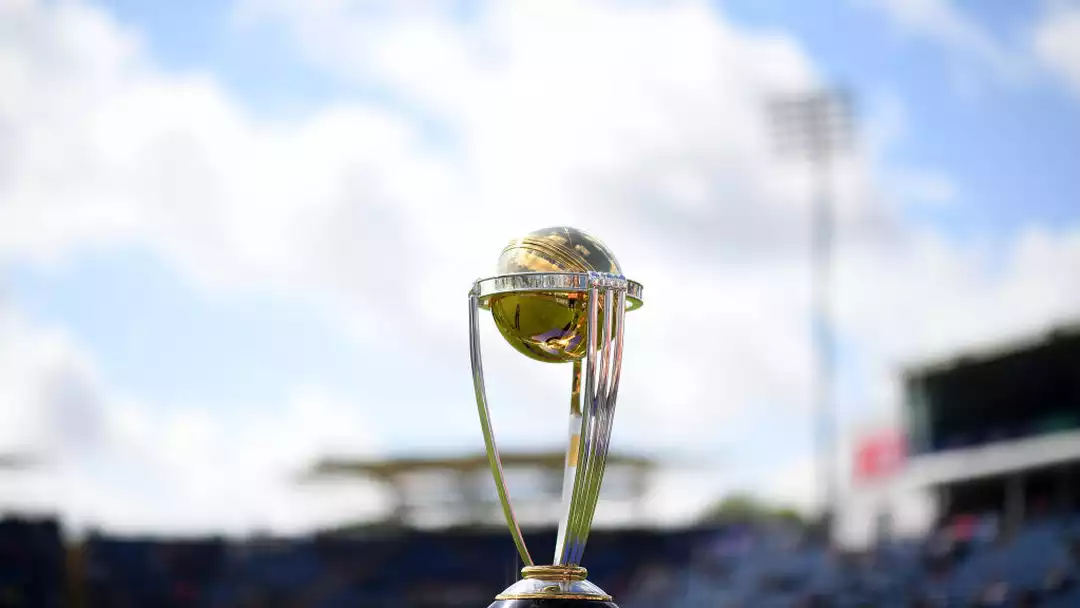
The 2027 ODI World Cup could begin on a date carrying enormous historical significance for India and South Africa, with October 2, 2027 emerging as the likely opening day of cricket’s biggest 50-over tournament.
Although the International Cricket Council (ICC) has not formally announced the opening date, reports indicate that the governing body is considering October 2 — Gandhi Jayanti — as the start of the tournament. South Africa, Zimbabwe and Namibia will jointly host the 14-team World Cup.
The proposed date would coincide with the birth anniversary of Mahatma Gandhi, who spent more than two decades in South Africa before returning to India and becoming one of the world’s most influential advocates of peace and non-violence.
Gandhi Jayanti Could Give World Cup a Special Start
Starting the World Cup on October 2 would carry a strong symbolic message. Gandhi’s association with South Africa makes the occasion particularly relevant for a tournament being staged across three southern African nations.
Gandhi arrived in South Africa in 1893 and spent 21 years there. His experiences in the country played an important role in shaping his philosophy of non-violent resistance.
The ICC’s reported plan could therefore provide the 2027 World Cup with a meaningful opening, connecting cricket with a figure whose message of peace and tolerance continues to resonate globally.
At a time when international relations remain increasingly divided, the symbolism surrounding Gandhi Jayanti could add another dimension to the tournament’s opening celebrations.
World Cup Could Run for Nearly 50 Days
The ICC had initially been expected to begin the main tournament on October 8, with warm-up fixtures scheduled between October 1 and 7.
However, the proposed schedule now appears to have shifted. If October 2 becomes the official opening date, the warm-up matches would have to be completed before the tournament begins.
The final is still expected to take place on November 21, meaning the competition would span approximately seven weeks.
The 2027 edition will also feature an expanded 14-team format, making it one of the most extensive ODI World Cups in recent years.
Twelve Venues Across Three Countries
The ICC has already unveiled 12 venues for the tournament, creating an opportunity to showcase cricket across South Africa, Zimbabwe and Namibia.
South Africa will host matches in eight cities, while Zimbabwe has three venues and Namibia will have one.
The South African venues are:
- Wanderers Stadium, Johannesburg
- SuperSport Park, Centurion
- Newlands Cricket Ground, Cape Town
- Kingsmead, Durban
- St George’s Park, Gqeberha
- Mangaung Oval, Bloemfontein
- Boland Park, Paarl
- Buffalo Park, KuGompo City
Zimbabwe’s venues are Harare Sports Club, Queens Sports Club in Bulawayo and the Mosi-oa-Tunya International Cricket Stadium in Victoria Falls.
Namibia’s capital Windhoek will host matches at the Namibia Cricket Ground.
The distribution is expected to give fans an opportunity to experience very different cricketing environments, from South Africa’s established international grounds to the spectacular setting of Victoria Falls and Namibia’s growing cricket infrastructure.
Also Read-Josh Hazlewood Joins Australia’s 300-Test Wicket Club
Major Format Changes for 2027
The 2027 ODI World Cup will look considerably different from previous editions.
The tournament will feature 14 teams, but the qualification and competition structure has been significantly revamped.
Three of the lowest-ranked teams entering the World Cup will initially compete in a Super Series. The winner of that stage will advance to join the remaining 11 teams in the main tournament.
The 12-team field will then be divided into two groups. Teams will compete within their respective groups before moving into the Super Seven stage.
The tournament will subsequently progress to the semi-finals and final.
The new structure has already attracted criticism from some Associate Members, who fear that changes to the qualification pathway could reduce opportunities for emerging cricket nations.
Ten Teams Have Already Qualified
Several major cricketing nations have already secured their places in the 2027 World Cup.
The confirmed teams include hosts South Africa and Zimbabwe, along with India, Australia, New Zealand, Pakistan, England, Sri Lanka, Bangladesh and Afghanistan.
The remaining four places will be decided through a 10-team World Cup Qualifier scheduled for early 2027.
The Qualifier will include Namibia, West Indies and Ireland, alongside other teams fighting for their place on cricket’s biggest stage.
For the West Indies in particular, the qualification battle will attract considerable attention after their failure to reach the 2023 ODI World Cup.
Africa Ready for a Historic World Cup
The 2027 tournament represents a major moment for African cricket.
It will be the first men’s ODI World Cup staged across South Africa, Zimbabwe and Namibia, giving the three countries an opportunity to showcase not only their cricketing infrastructure but also the diversity and culture of the region.
South Africa has previously hosted major global cricket events, while Zimbabwe has a rich cricketing tradition. Namibia, meanwhile, has emerged as one of the continent’s most promising Associate nations.
The tournament is expected to highlight the continued growth of cricket beyond its traditional strongholds.
A World Cup With a Powerful Message
If October 2 is eventually confirmed, the 2027 ODI World Cup will begin with more than just a cricket match.
Gandhi Jayanti could provide the tournament with a unique identity, particularly because Gandhi’s historical journey is closely connected with South Africa.
Cricket has long been described as a sport capable of bringing people together across national, cultural and social boundaries. Beginning a World Cup on the birth anniversary of one of history’s most prominent advocates of peace would reinforce that message.
With 14 teams, 12 venues and three host nations, the 2027 ODI World Cup already promises to be a landmark edition.
And if the ICC confirms October 2 as the opening date, the tournament could begin with a powerful reminder that cricket’s biggest stage can represent more than competition — it can also celebrate history, unity and the enduring pursuit of peace.